
Brand Strategy
How To Run A Branding Workshop in 2026
Published on Nov 18, 2026
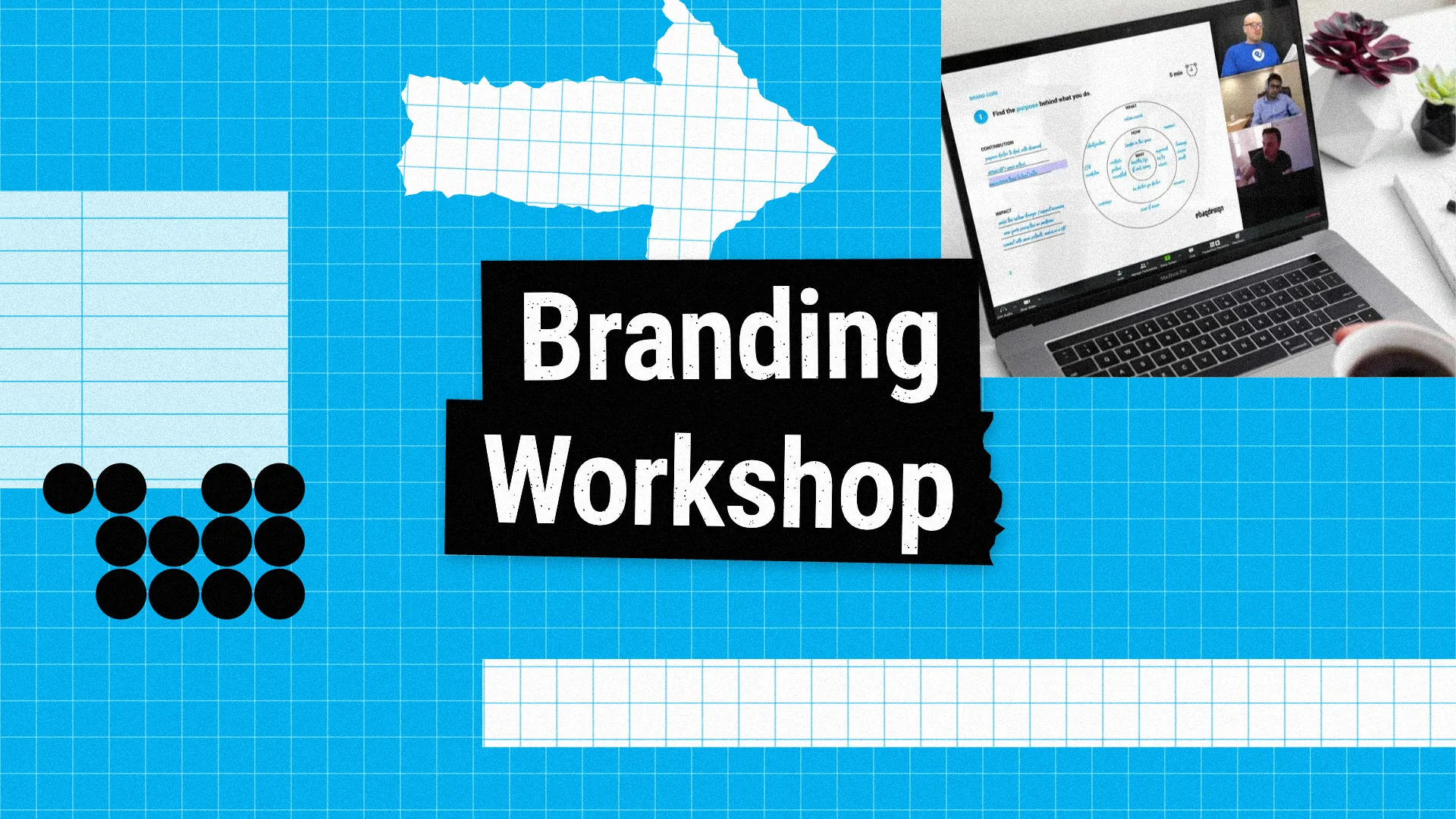
Running a branding workshop, whether in person or online, is a great way to align the team on one page and develop a solid foundation for brand building.
It enables you to create a strong brand strategy and subsequently a consistent brand identity for your client or your own business.
As a branding expert, I’ve run countless workshops during my career, both remotely and in-person. In this guide, I'll walk you through how to facilitate an effective branding workshop, from start to finish.
What is a Branding Workshop?
A branding workshop is an interactive session where stakeholders come together to define the key aspects of what makes a brand: your vision, personality, values, positioning and more.
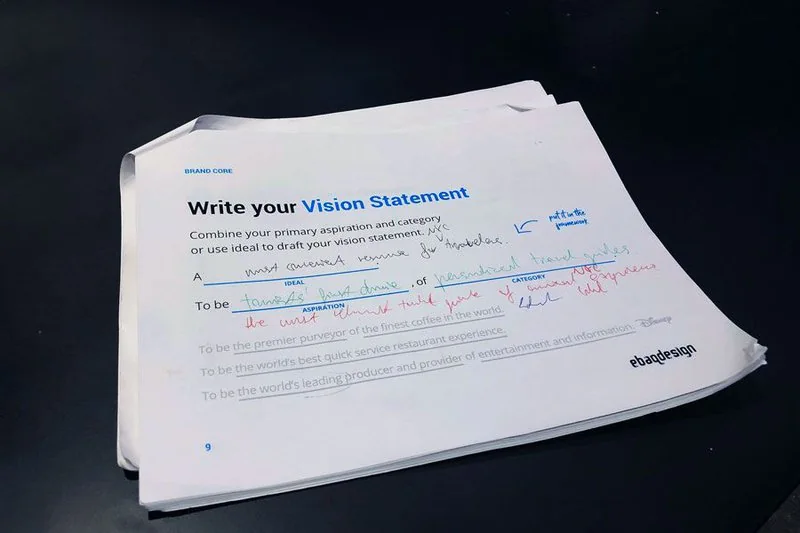
It involves a series of exercises and discussions to uncover insights that inform the brand strategy and creative direction.
The goal of a branding workshop is to align everyone on what the brand stands for before starting the design process.
This ensures the visual identity and messaging resonate with the target audience. Branding workshops are facilitated by brand strategists, designers, marketing consultants, or agency creatives.
Benefits of a Branding Workshop
Here are some key benefits of running a branding workshop:
- Gets buy-in from stakeholders - A collaborative process creates shared ownership over the brand.
- Creates a clear brand strategy - Exercises reveal actionable insights about the brand purpose, personality, USP, etc.
- Saves time and money - Avoids wasted design efforts from lack of strategic alignment.
- Generates excitement - The interactive format makes the process fun and engaging.
- Extracts tacit knowledge - Draws out unarticulated assumptions, beliefs, and experiences.
- Builds team rapport - A shared creative journey brings people together.
If you need more guidance on how to articulate the benefits of brand strategy, check out my other article where I explain how to sell brand strategy to your clients.
Also check out my YouTube video where i explain on my methodology of running a branding workshop.
How to Run a Branding Workshop
Follow this step-by-step guide to running an effective branding workshop, either online (Zoom) or in-person.
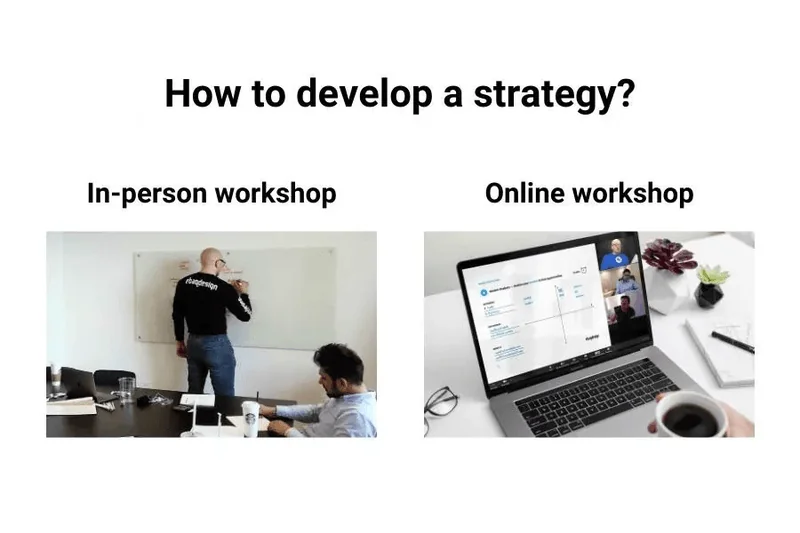
One of the great things about my framework is that it's highly versatile.
You can run your workshop in a traditional, in-person setting, or you can do so remotely (e.g. Zoom)
The exercises can be easily drawn on a whiteboard, filled out on a computer (using presentation software like Keynote or PPT), or printed out and completed by pen on paper.
My worksheets are available in a variety of file formats to suit your unique needs.
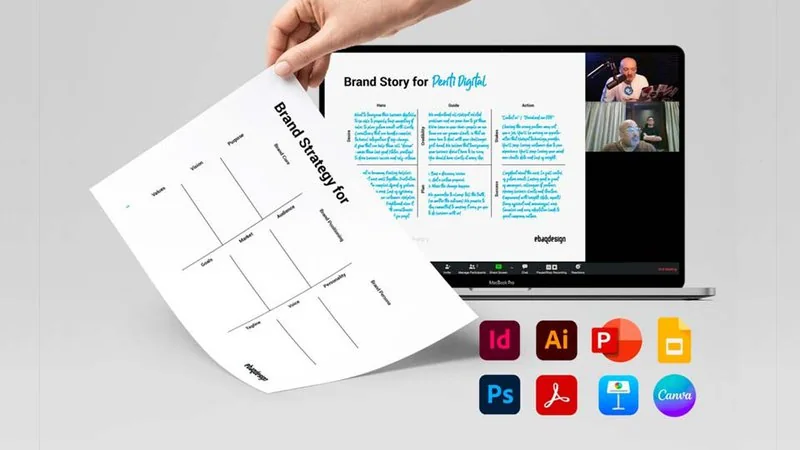
Ready to get started?—Check out my premium guide and start planning your workshop today!
Need more information?—Check out my 2023 crash course to brand strategy to learn more.
1. Set the Objectives
Be clear on what you want to achieve in the workshop. Common goals include:
- Define the brand core, positioning, and personality
- Understand target audience motivations and needs
- Identify competitive positioning and brand promise
- Align on vision for brand experience
- Generate ideas for name, identity, and assets
- Prioritize brand communication and launch strategy
2. Create an Agenda
Map out the flow of the workshop into a timed agenda. Allocate sufficient time for each exercise and discussion.
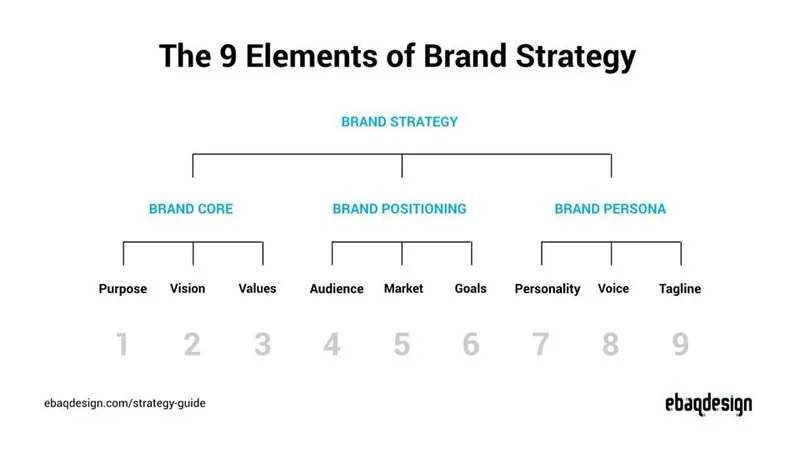
The nine exercises are divided into 3 sections, which essentially allows you to complete each section in one run and take two breaks in-between.
Example agenda:
- Introduction (15 mins) — Explain workshop goals and process
- Brand Purpose (20 mins) — Identify meaningful impact and contribution
- Brand Vision (20 mins) — Define the ambitious future state and direction
- Brand Values (20 mins) — Determine the guiding principles that inform decisions
- Break (15 mins) — Take a quick coffee break
- Target Audience (20 mins) — Map out customer journeys and needs
- Market Research (20 mins) — Analyze competitors and positioning opportunities
- Awareness Goals (20 mins) — Prioritize marketing initiatives and channels
- Break (15 mins) — Take a quick coffee break
- Brand Personality (20 mins) - Select archetypes that reflect the personality
- Brand Voice (20 mins) — Craft the tone and style of communications
- Brand Tagline (20 mins) — Create a memorable encapsulation of the brand story
- Wrap up (15 mins) — Summarize findings and next steps
In general the whole workshop can take anywhere from 3 to 6 hours, depending on how many people participate and how active they are during the exercises.
3. Select Participants
Determine who needs to participate. This may include: founders, marketing staff, designers, content strategists, external agencies, advisors, customers etc. Invite 5-15 participants. Manage group size to allow effective collaboration. Ensure key decision makers attend.
4. Prepare Materials
Gather supplies to facilitate exercises and visualize ideas:
- Pens, Post-Its, dot stickers - for individual ideation
- Whiteboard, easel pad - to present frameworks and capture ideas
- Worksheets - to guide exercises and record outcomes
- Timer - to manage time for each exercise
- Snacks - to keep energy and morale high!
5. Book a Venue
Select a venue suitable for creative collaboration and group discussion. Features to look for:
- Enough space for participants to split into breakout groups
- Movable chairs/tables to allow reconfigurations
- A long wall with whiteboard or room to hang poster pads
- Strong wifi connection
- Sufficient power outlets
- Well lit with natural light if possible
- Enough privacy so participants can speak freely
6. Schedule the Workshop
Pick a timing that works for the participants. A workshop can be done in 3-6 hours. It can be a single session, or split across multiple days. Mornings are best as people are refreshed. Avoid Mondays and Fridays if possible. Let people know agenda so they can prepare.
7. Send Pre-Reads
Share foundations, insights, articles or pre-work for participants to review beforehand so everyone starts from an aligned knowledge level.
For example, send:
- Competitor brand overviews
- Market research reports
- Customer interview findings
- Organization mission and history
- Existing brand guide
8. Introduce the Workshop
Start the workshop by introducing yourself and stating the objectives and agenda. Explain the problem you are trying to solve and how the workshop will address it.
Introduce the 9-step brand strategy framework that will be used to guide the workshop process. Explain how the sequence of exercises builds collective understanding of the brand.
Set expectations on what will be achieved. Emphasize there are no bad ideas. Encourage creative thinking and plain speech.
Present any pre-work insights. Do a quick ice-breaker activity to get juices flowing.
9. Facilitate Exercises
Move through the 9 brand strategy exercises in order. Don't change the sequence as the insights from each exercise inform the next one. Allocate at least 20-30 minutes for each exercise.
Follow the agenda timing. Capture key ideas and insights on frameworks drawn on whiteboards/posters.
Help participants through any moments of confusion or disagreement. Encourage everyone's input. Probe for deeper insights.
If energy is flagging, change the format or take a quick break.
10. Guide Discussions
Have open discussions to unpack insights from exercises.
Ask good questions to extract takeaways:
- What patterns are emerging here?
- What implications does this have for our brand?
- What feels aligned or misaligned?
Park any tangents for later - keep moving forward. Take regular breaks to recharge.
11. Capture Output
Make sure you capture the workshop output in an organized, legible way. Take photos of completed frameworks. Type up notes, insights, and conclusions right after each session while it's still fresh.
Circulate a summary deck to participants. Save all materials to inform next stages of the branding process.
12. Gather Feedback
Get feedback on how you facilitated the workshop. Send a feedback survey to see what worked well and what could be improved.
Ask questions like:
- What positive outcomes did you get from the workshop?
- How was the pace and format?
- Were the exercises helpful to gain insights?
- What could be done better next time?
Use feedback to improve your next branding workshop.
9 Branding Workshop Exercises
My proven branding workshop follows a 9-step process to create an actionable brand strategy.
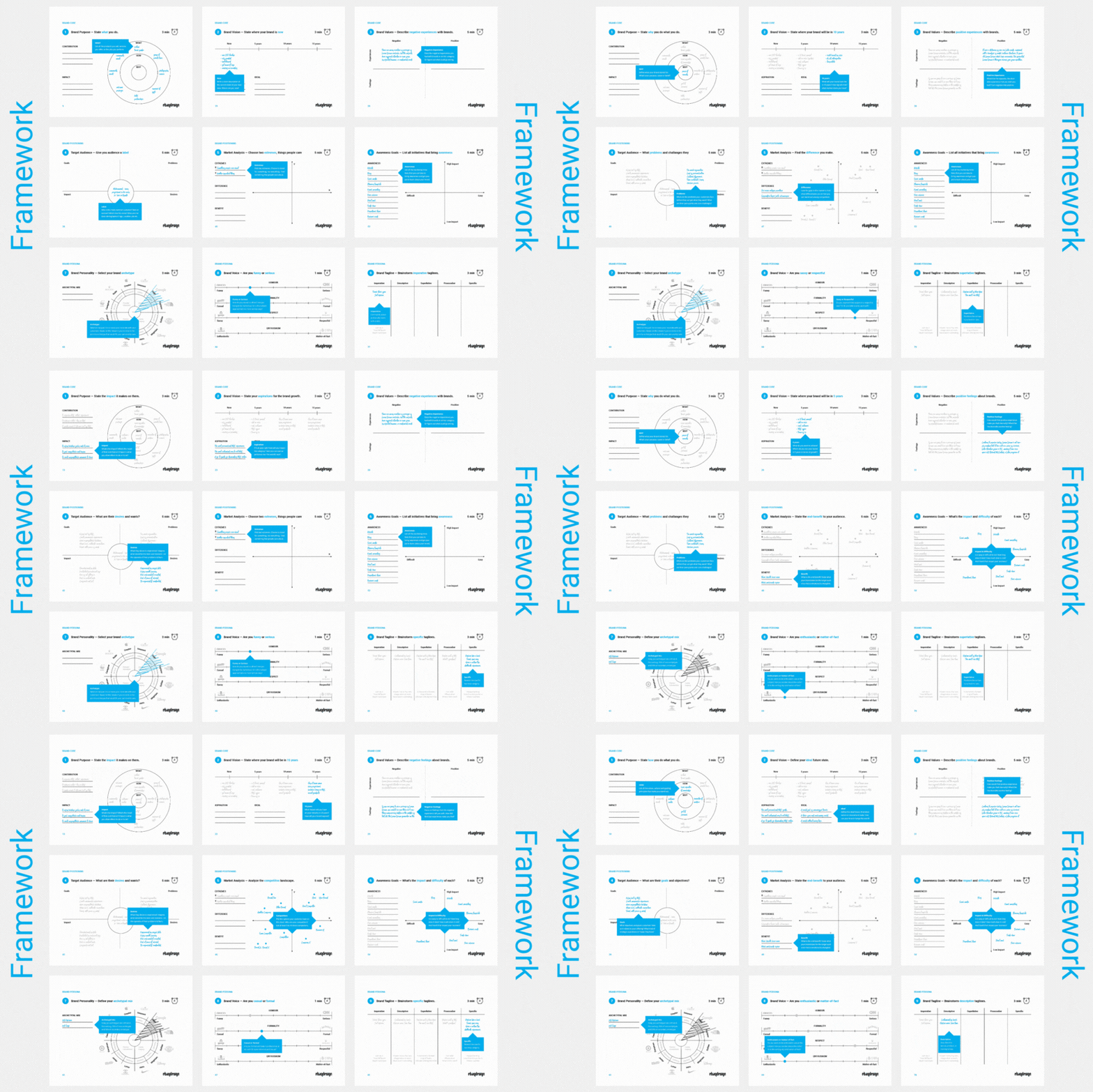
In this section of my guide, I'll give you an overview of how to facilitate each step of the workshop.
For more information, visit the free guide on my blog, or check out the premium guide to fast-forward your learning.
1. Brand Purpose
Exercise: Identify the meaningful impact the brand aims to make.
Process:
- Ask participants to reflect on their proudest achievements
- Discuss common themes around purpose and meaning
- Craft a concise statement summarizing the brand's contribution to people's lives
Outcome: Brand Purpose statement
2. Brand Vision
Exercise: Describe the ambitious future state the brand aspires to create.
Process:
- Map out a timeline showing where the brand is now, and ambitions for 5, 10, 15 years ahead
- Discuss the brand's aspiration and the ideal future state it aims to help create
- Summarize this future vision in a concise Vision statement
Outcome: Brand Vision statement
3. Brand Values
Exercise: Determine the guiding principles that drive business and culture.
Process:
- Explore negative experiences and feelings to uncover values gaps
- Identify positive values to close these gaps
- Select 3-5 core values and explain what they mean to the brand
Outcome: List of core Brand Values
4. Target Audience
Exercise: Get to know the motivations and needs of key customer segments.
Process:
- Create customer profiles with basic demographics and personas
- Map out their journey to identify key goals, questions, and emotions
- Summarize insights into major needs, pain points, and opportunities
Outcome: Audience maps and insights
5. Market Research
Exercise: Analyze the competitive landscape for points of differentiation.
Process:
- Analyze direct and indirect competitors on attributes like quality, benefits, personality etc.
- Map out a competitive landscape highlighting gaps and opportunities
- Determine areas where the brand can own a distinctive positioning
Outcome: Competitive analysis and brand positioning statement
6. Awareness Goals
Exercise: Identify channels and strategies to gain visibility.
Process:
- Brainstorm awareness building initiatives
- Map initiatives on axes of effort vs. impact
- Prioritize where to focus based on quadrants
Outcome: Prioritized list of awareness goals
7. Brand Personality
Exercise: Select archetypes that express the human personality of the brand.
Process:
- Present the 12 brand archetypes with examples
- Reflect individually on archetypal fits
- Align on primary and secondary archetypes
Outcome: Selected brand archetypes
8. Brand Voice
Exercise: Craft the tone and style that brings the brand persona to life.
Process:
- Write voice description 'We are X but not Y'
- Plot the brand voice on spectrums like serious-playful etc.
- Describe in words the brand voice attributes
Outcome: Brand voice guidelines
9. Brand Tagline
Exercise: Create a memorable encapsulation of the brand promise.
Process:
- Brainstorm keywords related to brand attributes and benefits
- Craft options for taglines that encapsulate the brand purpose
- Evaluate options and select 1-3 finalists
Outcome: Shortlisted tagline options
PS. You can adjust exercises as needed to fit your specific workshop goals and audience.
For additional resources, templates and examples to help you run each exercise, check out my premium guide. You'll find there all my templates, videos, scripts and everything else you need to run your workshop like a pro. Feel free to reach out if you're looking to hire a facilitator to run your branding workshop!
Is a brand strategy workshop worth it?
A workshop is useful when the people making decisions need to agree on the problem before design begins.
It can help a founder and team clarify the audience, positioning, priorities, and the information a designer needs for the creative brief.
It is less useful when the key decision-makers cannot attend, when no one has authority to make a decision, or when the immediate problem has nothing to do with the brand.
Before booking, ask who participates, what preparation is needed, how decisions are recorded, and what you will receive afterward.
A worksheet is not the same as an agreed strategy, so make sure the scope includes the synthesis and handoff you need.
My brand strategy service explains the current workshop and brief scope.
Branding Workshop Checklist
Use this checklist to plan a smooth workshop:
Venue and Logistics
- Reserve suitable venue with enough capacity and facilities
- Select date and time and send invites
- Arrange parking, wifi, AV, catering as needed
Session Design
- Define workshop objectives and outcomes
- Develop agenda and flow with timed exercises
- Create frameworks to capture insights in each exercise
- Select right exercises to achieve goals
Preparation
- Send pre-reads for participants
- Book experienced facilitator as needed
- Gather materials: pens, paper, whiteboards etc.
- Prepare print outs of key frameworks and exercises
Facilitation
- Welcome participants and set expectations
- Follow agenda keeping things moving
- Engage diverse voices and perspectives
- Capture outputs and park tangents
- Wrap up with a plan for next steps
Follow Up
- Organize and share all workshop materials
- Send post-workshop survey to get feedback
- Set up workshops series or continue collaboration
- Move outcomes into strategic recommendations and design
Branding Workshop Templates
To help you facilitate an effective branding workshop, I've created templates for each core exercise.
Simply download the templates and provide printed copies for participants during the relevant exercises.
PS. With the purchase of my premium guide you will be able to create your own custom workshop materials (InDesign, Illustrator, Keynote, Canva etc.)
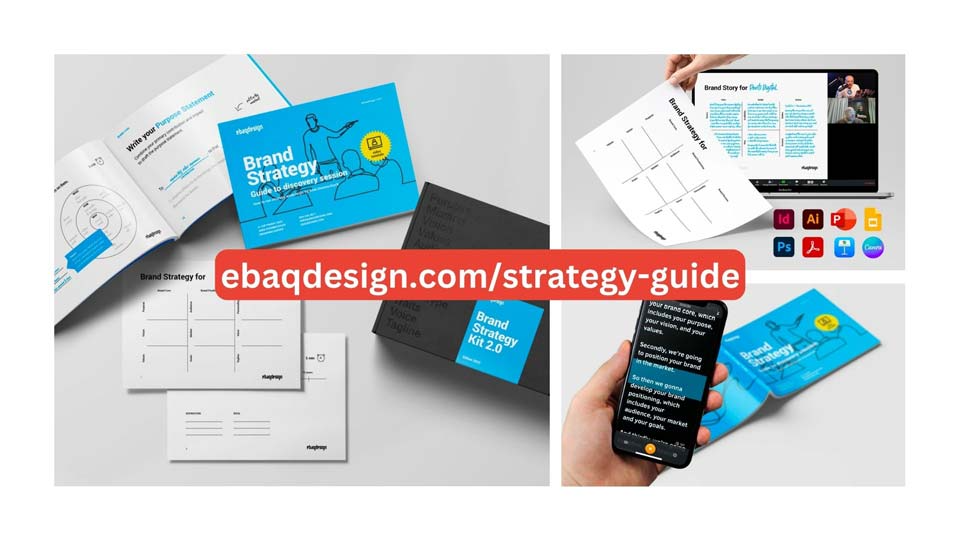
I hope this guide provides a helpful starting point for planning and facilitating your own branding workshop. Let me know if you have any other questions!
Ready to build a brand people remember?
Tell me what you’re launching, changing, or trying to make look better.