
You do not need another person waiting for instructions.
You need someone who can understand your business, make clear design decisions, and turn those decisions into a website your team can use.
For an established business or funded startup, hiring a Webflow expert is a decision about ownership: who will own the thinking, the build, and the details that usually get missed?
I’m Arek, a senior brand, web, and motion designer based in New York, with around a decade of design experience.
Here is how I would approach the search, whether you work with me or someone else.
First, hire for the right job.
Before you compare portfolios, decide which part of the website problem you need someone to own.
“We have the design.”
Look for a Webflow developer who can translate approved designs into a responsive site, CMS, and working integrations.
“We need a better site.”
Look for someone who can lead structure, design, and implementation, with clear responsibility for content.
“We’ve outgrown our image.”
Look for a senior creative partner who can connect positioning, identity, messaging, and the website.
A strong developer is not automatically the right person to rethink your positioning.
Equally, a beautiful brand portfolio does not prove that someone can build a maintainable Webflow site.
Write down the result you need before you choose the title you are hiring.
If the platform itself is still undecided, start with my platform comparisons.
What does “Webflow expert” actually mean?
People use the term broadly for designers and developers with Webflow experience.
Webflow’s official Certified Partner program is a separate, vetted designation that you can verify through its directory.
Treat that credential as a useful signal, then check the candidate’s fit for your project.
A profile on another marketplace does not, by itself, establish Webflow certification.
Where to find Webflow experts.
I would begin with one route that helps verify delivery and another that helps evaluate design quality.
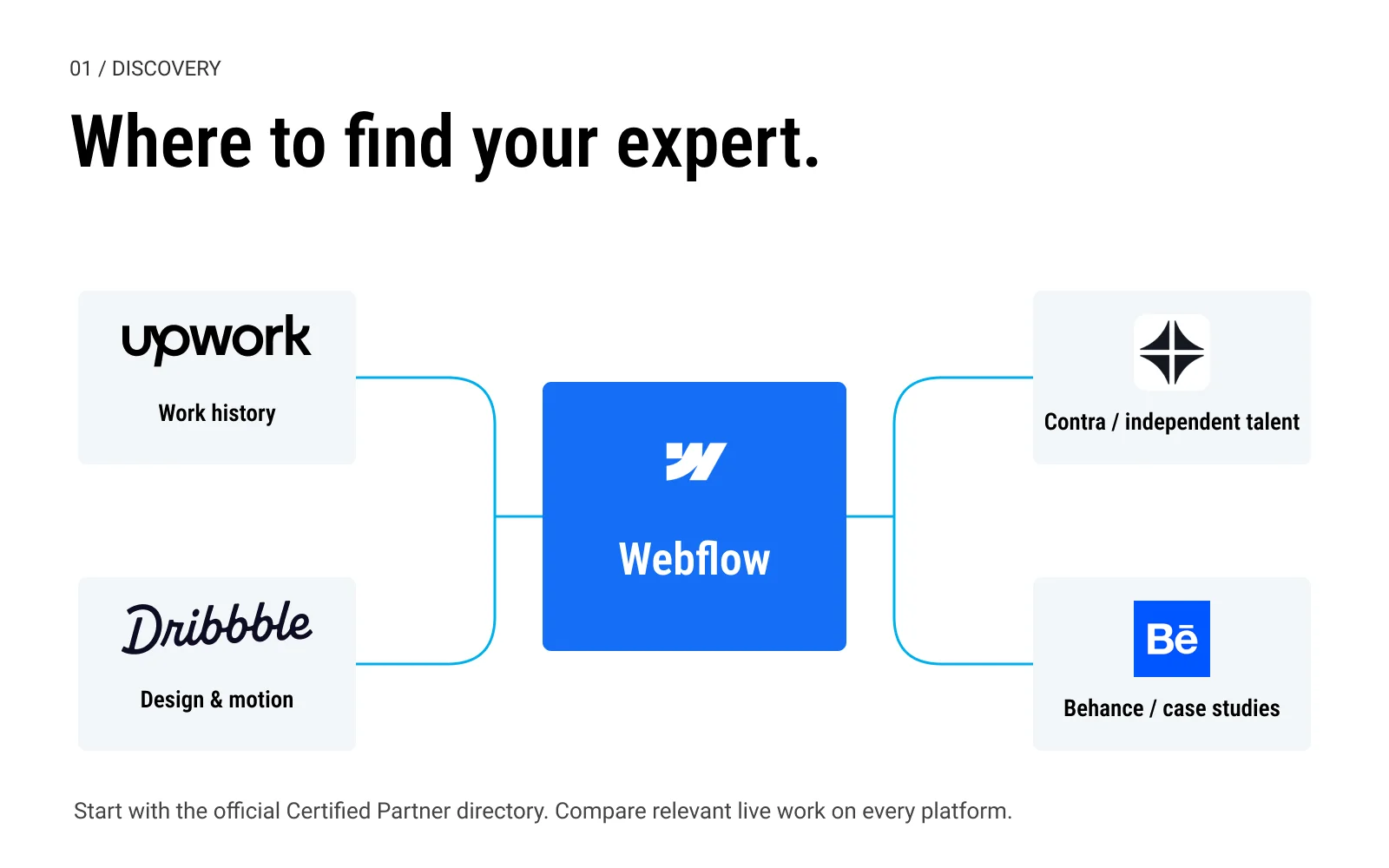
| Where to look | Best use | What to verify |
|---|---|---|
| Webflow Partners ↗ Platform-vetted expertise | Start here when proven Webflow capability is your first filter. | Relevant projects, who does the work, and the scope behind the starting price. |
| Upwork ↗ Work history & client feedback | Useful for comparing candidates against a specific, written brief. | Recent Webflow contracts and comparable work, beyond an overall rating. |
| Contra ↗ Portfolio & services | Useful for finding independent creatives who combine design and development. | Live sites, precise deliverables, and how their services fit your project. |
| Dribbble ↗ Visual direction & motion | Useful for finding a designer whose taste fits the brand you want to build. | Whether the attractive shot became a functioning, responsive website. |
| Behance ↗ Detailed creative case studies | Useful when your website needs to sit inside a broader brand identity. | The designer’s actual role, the live result, and Webflow build experience. |
Start with Webflow’s Certified Partners.
The official directory is a sensible first stop when Webflow expertise is essential.
Webflow says it vets and qualifies its Certified Partners, and offers both a directory and a matching service.
Review the actual services and projects of each candidate instead of assuming every partner covers strategy, copywriting, design, development, and ongoing support.
Use Upwork and Contra to compare individuals.
Upwork gives you a place to review candidates’ work histories and client feedback.
Look for relevant Webflow engagements, rather than treating all completed jobs as equally useful evidence.
Contra’s Webflow directory is another way to explore independent talent through portfolios and service offerings.
On either platform, ask who will actually do the work and how your project will be managed.
Use Dribbble and Behance to judge creative fit.
Dribbble can help you find designers whose typography, layout, and motion feel right for your brand.
Behance is useful for exploring the wider identity and thinking around a website.
Always follow the presentation through to a live site.
A polished animation may be a concept, a partial contribution, or a design that another team developed.
Finding a Webflow development specialist in New York.
Start with the official Webflow directory for New York City and compare relevant local work.
If you are a New York business, local context and working-hour overlap can make collaboration easier.
Ask where the person doing the work is based, what hours you can reach them, and whether any in-person sessions are part of the engagement.
Do not assume a New York address means a New York delivery team.
For remote candidates, agree on a reliable Eastern Time review window and a clear way to handle questions between meetings.
I’m based in Brooklyn and work with clients across the US and internationally; the first conversation is about your needs, scope, and fit.
How to tell who is actually good.
Ask a shortlisted candidate to walk you through a real project, from the original problem to the final handoff.
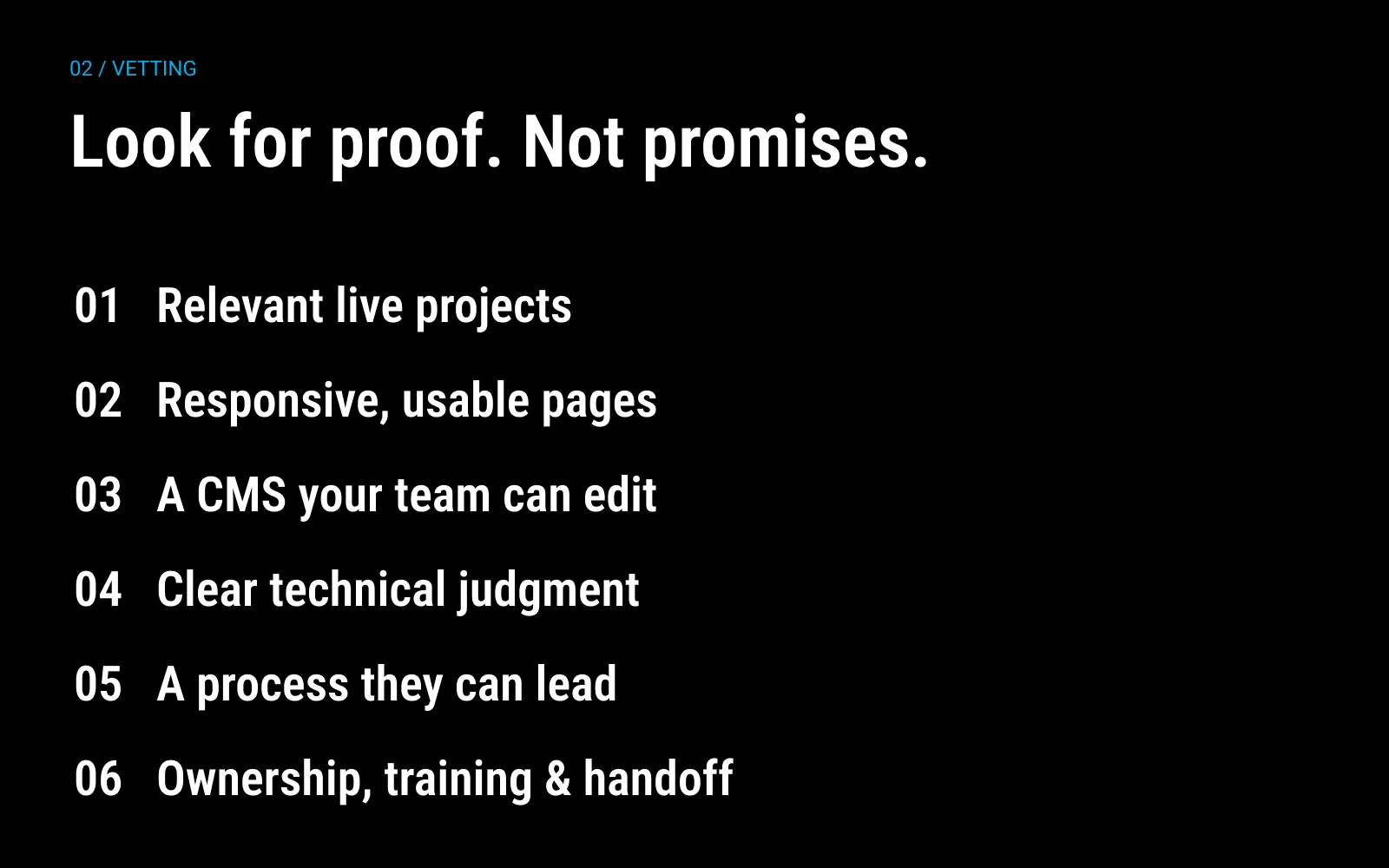
- Relevant live work: verify a comparable project and the candidate’s exact role.
- Responsive pages: test the navigation, content, and forms on a phone.
- Editable CMS: ask for a demonstration of adding an article or case study.
- Technical judgment: discuss native features, custom code, and maintenance.
- Project leadership: ask for a recommendation and a clear review process.
- Handoff: confirm ownership, training, documentation, and support.
Ask for decisions, not just screenshots.
Try asking: “What did the client need, what did you change, and why?”
A senior partner should explain their reasoning in language you understand.
Ask what they would do differently now, and listen for a specific answer rather than a perfect success story.
For a site with a CMS, request a walkthrough of how content is organized and how your team would add a new item.
For an integration, ask them to show what happens when something fails, not only when the demo works.
Make the live-site review practical.
Open a relevant example on your phone and follow the same journey a customer would take.
Can you understand the offer, find the proof, and take the next step without fighting the interface?
Check keyboard navigation, readable text, sensible loading behavior, and whether animations make the site easier or harder to use.
Ask the candidate to explain performance and accessibility checks, including any limitations they found.
A single automated score is not a complete assessment of a website or its builder.
Check what working together will feel like.
Ask for a sample project plan and how they handle conflicting feedback.
With permission, speak to a past client about communication, missed assumptions, and what happened after launch.
Look for a recommendation you can react to, rather than a long list of decisions handed back to you.
You should still provide business context and timely approvals, but you should not need to direct every layout adjustment.
A vague scope hides expensive decisions.
“A complete website” means very little without page types, CMS needs, content responsibilities, integrations, review rounds, and handoff details.
Ask for those in writing before comparing the price.
Look at the whole system.
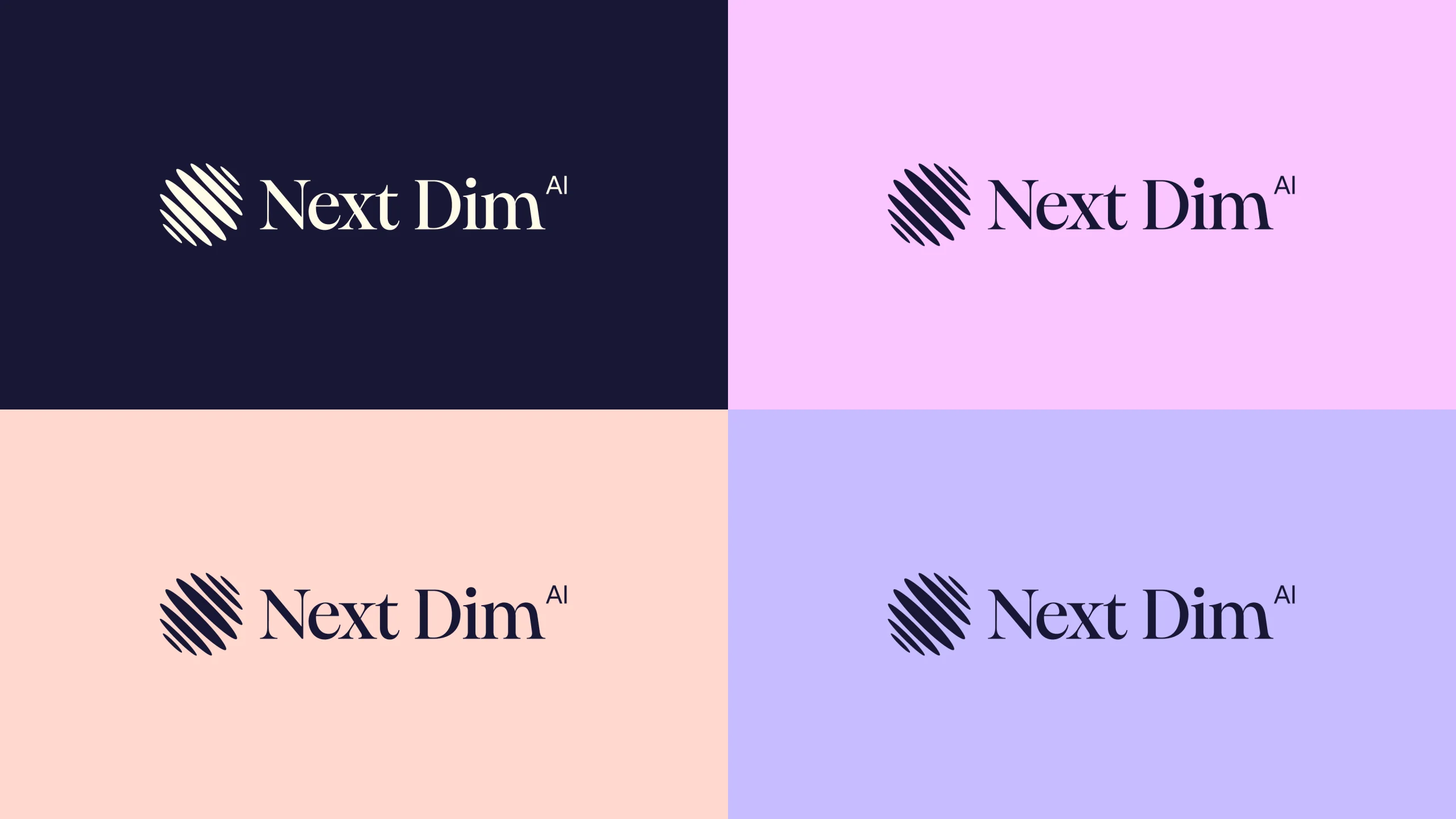
My NextDimension AI project is an example of how brand identity, web design, and motion can work together.
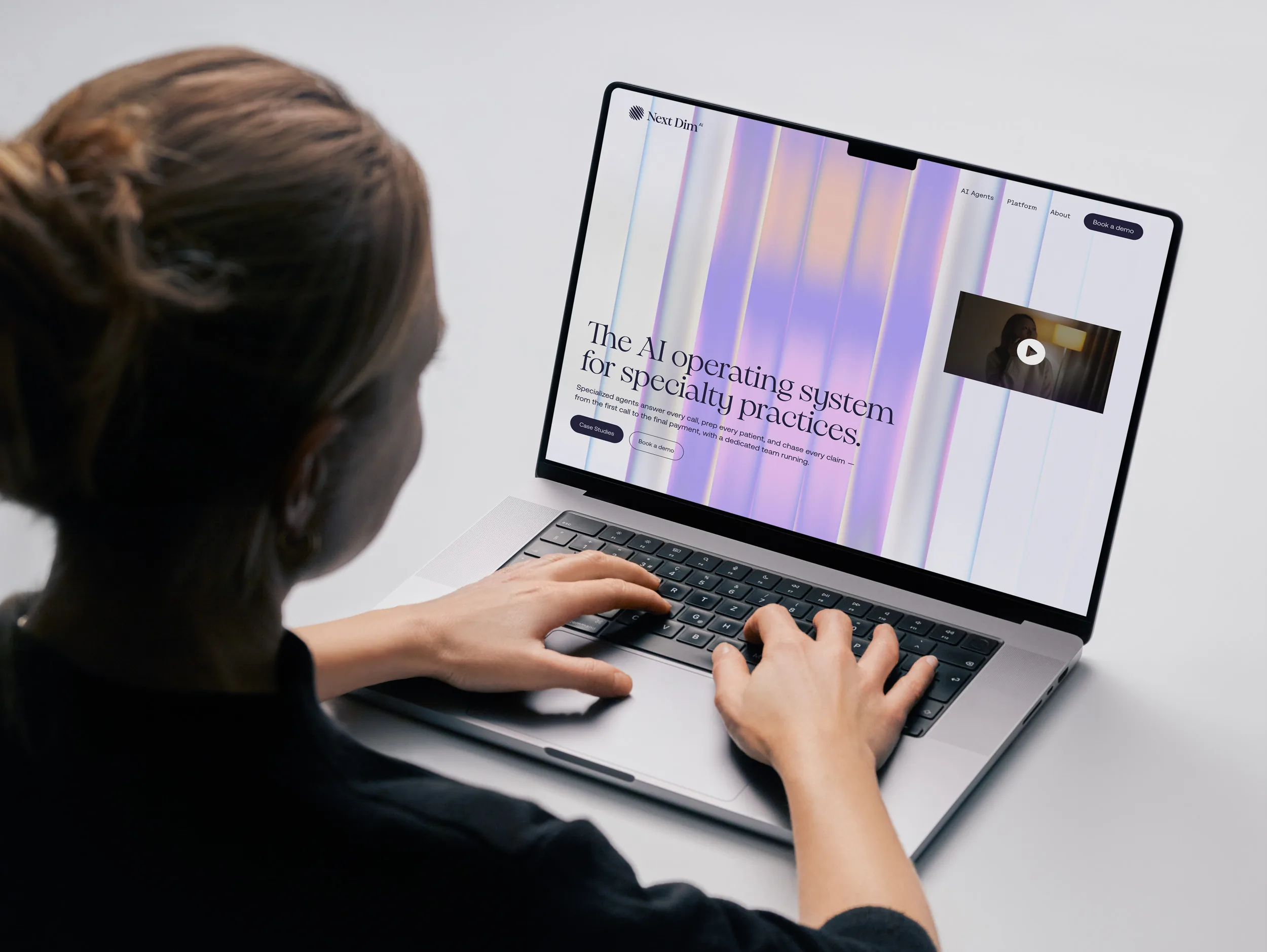
NextDimension helps medical practices automate operations with AI agents.
The work brought together the visual identity and website, using a space-inspired direction, reeded-glass effects, and expressive motion to move beyond a conventional clinical look.
The useful question for a buyer is how each decision supports a coherent experience, from the first impression to the details on the page.
Review the full case study alongside the live website, and ask the same questions of any candidate’s work.
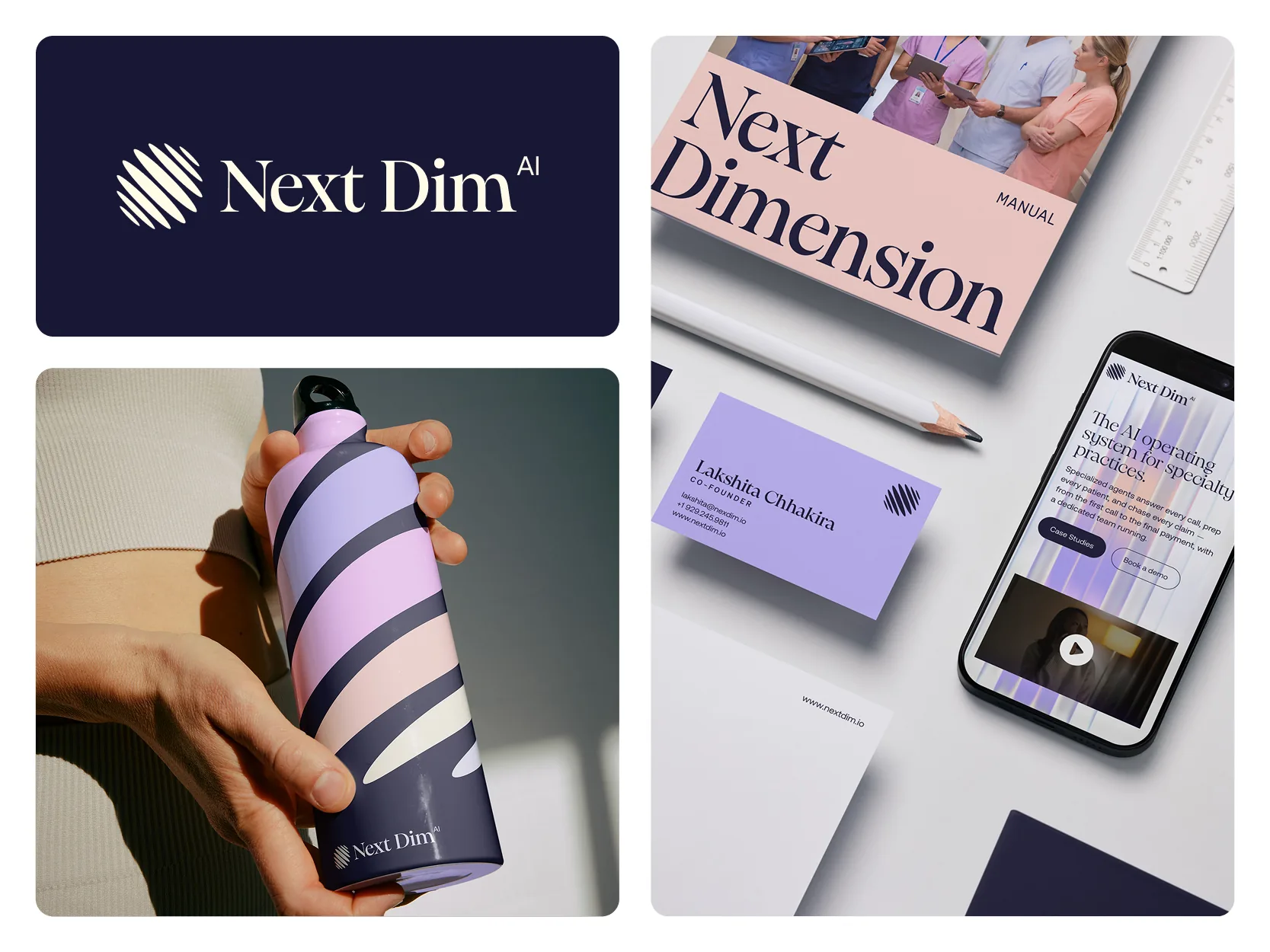
My Elevate project is also relevant for evaluating brand and website design, with an important distinction: the client handled website implementation.
That is exactly why you should ask every designer which part of a portfolio project they personally delivered.
What should you budget?
Compare the cost of a clearly defined outcome, not just the hourly rate.
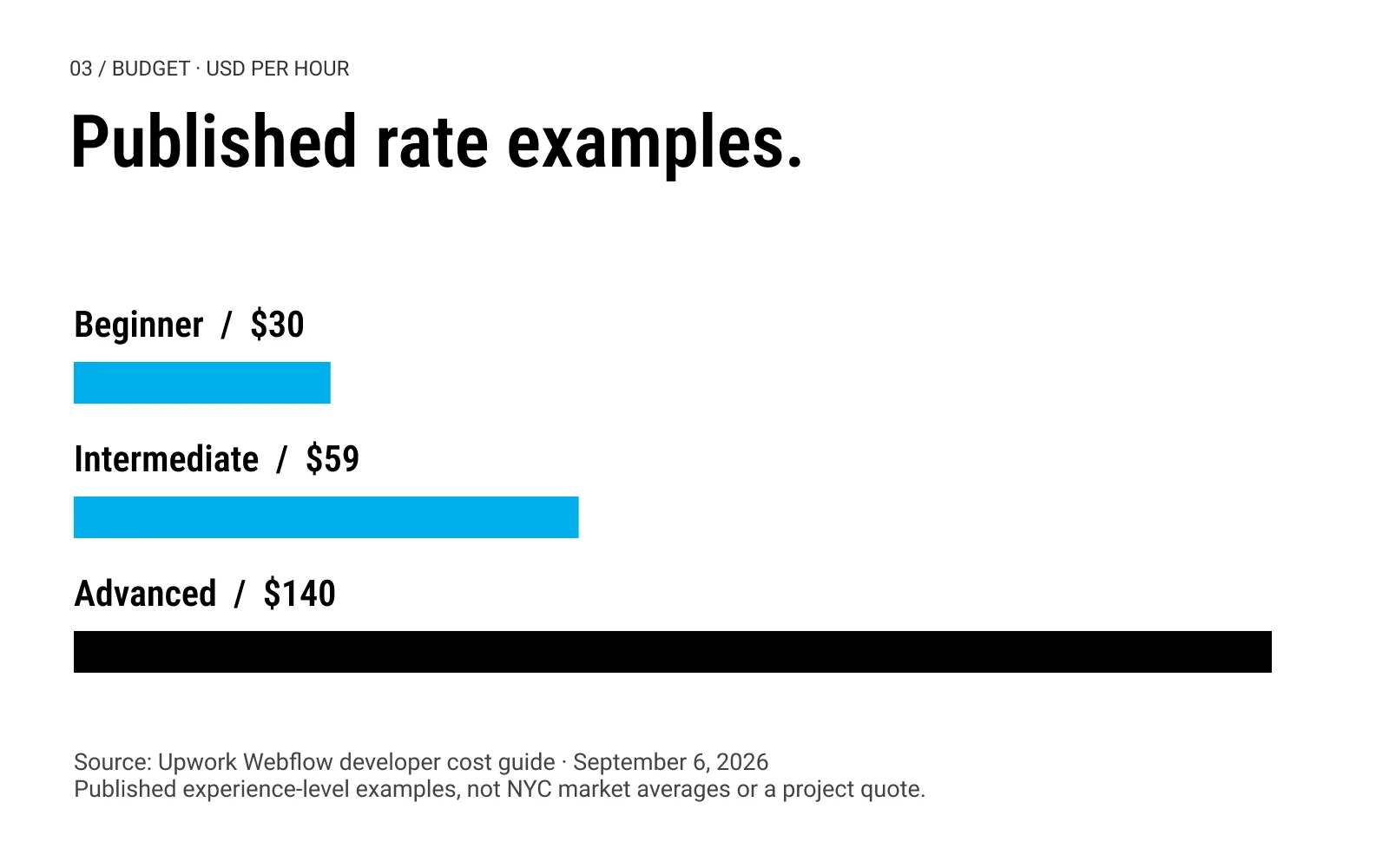
Upwork’s guide lists $30/hour for beginners, $59/hour for intermediate developers, and $140/hour for advanced developers.
The same page also displays a $20–$45 median hourly range, so its headline and experience examples should not be treated as a single consistent price band.
Use these figures as marketplace context, then request a quote for your actual scope.
An implementation-only engagement is different from one that includes strategy, messaging, design, animation, CMS setup, migration, and launch.
My engagement pricing
At Ebaqdesign, my current public engagement options are $3,000 per week or $10,000 per month.
These are my engagement prices, not a promise that every Webflow website fits into one week or one month.
We agree on scope, priorities, and timing before starting.
Make the quote cover the parts people forget.
Ask whether copywriting, content entry, redirects, custom interactions, integrations, and testing are included.
Keep recurring costs visible too: the relevant Webflow plan, domain, third-party services, and any ongoing support.
For a rebuild, include time to inventory existing URLs and content before deciding what to migrate, consolidate, or remove.
Ask each candidate to quote against the same brief so differences are easier to explain.
If the budget is limited, reduce the first phase deliberately: fewer page types, fewer custom interactions, or a narrower launch goal.
From first brief to confident handoff.
A good engagement makes the next decision clear at every stage.
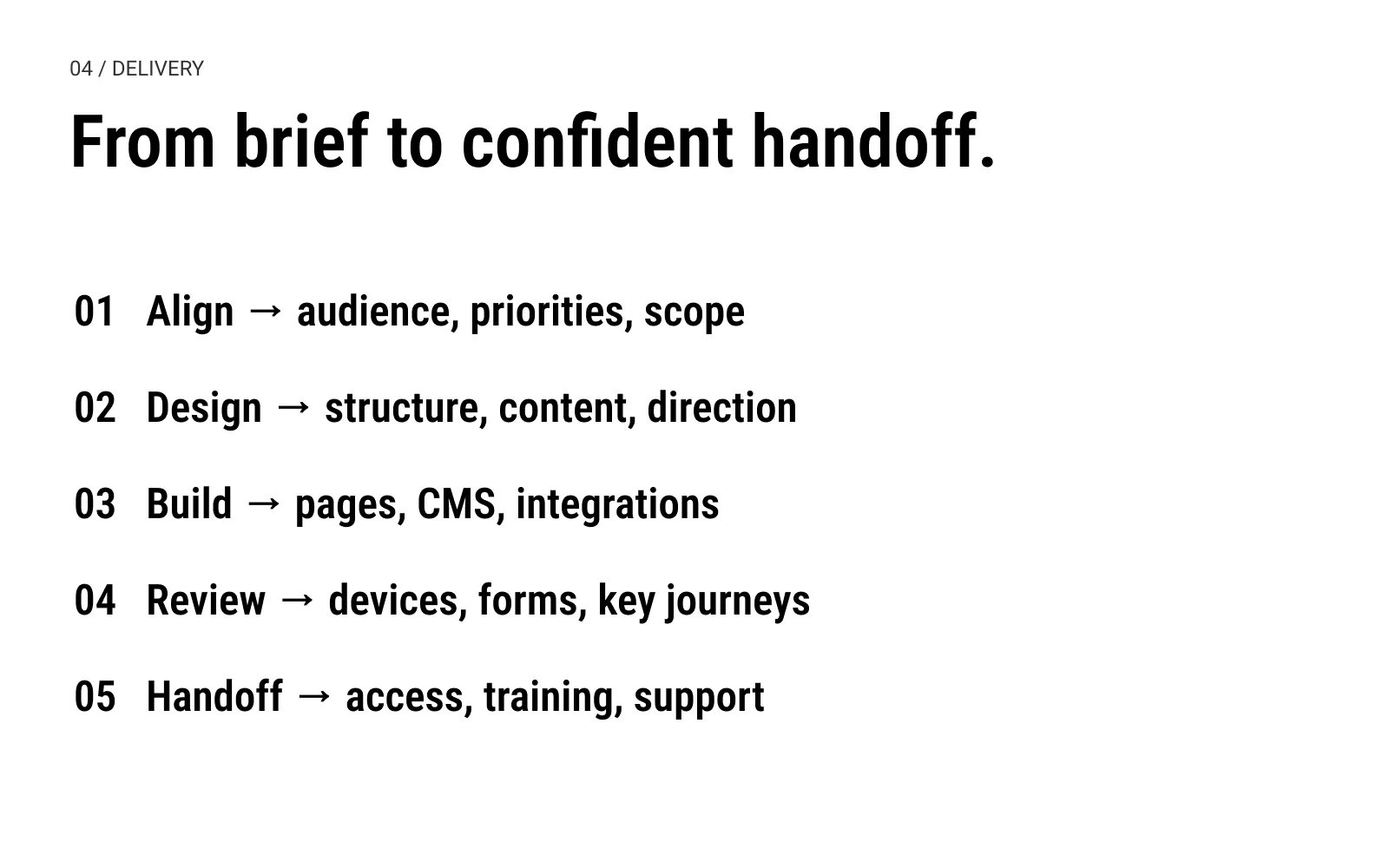
Send a brief that makes a useful reply possible.
Describe your business, who the website serves, and the action visitors should take.
Share your current site, the main problems, a rough page list, required integrations, and any fixed launch date.
Include your budget range and who will approve the work.
You do not need to solve the design in advance; you do need to explain what the site must achieve.
Agree on review points and responsibilities.
Approve the structure and visual direction before the whole site is built.
Nominate one person to consolidate feedback, and agree how changes outside the original scope will be handled.
Ask for progress updates that show what is ready to review, what is blocked, and which decision is needed next.
For more detail on the creative stages, see my web design process.
Define “done” before launch.
- Pages: agreed page types, final content, and responsive behavior.
- Content system: CMS collections and an editor walkthrough.
- Key journeys: tested forms, links, integrations, and confirmation states.
- Search foundations: agreed metadata, indexing settings, sitemap, and redirects where needed.
- Ownership: appropriate client access to the site, domain, and connected services.
- Handoff: design files, documentation, training, and a defined support window.
Launch approval should follow a shared checklist, with any remaining issues and exclusions made explicit.
A few questions before you hire.
Should I hire a freelancer or an agency?
A senior freelancer can be a good fit when you want a direct relationship and the scope matches their capabilities. An agency may suit work that requires several disciplines running in parallel, broader coverage, or more delivery capacity. Ask who you will work with day to day and what happens if that person becomes unavailable.
Do I need someone based in New York?
Only if local presence is useful to your project. For most remote engagements, relevant work, reliable Eastern Time overlap, and a clear process are better filters than the address alone.
Can one person handle branding and Webflow?
Yes, when they can show relevant experience in both. Verify design and development separately, and agree who owns messaging, content, motion, and integrations.
How long does a Webflow project take?
There is no useful universal timeline. Ask for a milestone schedule based on page types, CMS needs, content readiness, integrations, and review rounds. Separate the planned work time from the time spent waiting on approvals or content.
Should I ask for a free design test?
I would evaluate existing work and references first. If important uncertainty remains, agree on a small paid discovery or test engagement with a clear question, deliverable, and fee.
Need help with your Webflow website?
If you need a senior designer who can connect brand, web, and motion, let’s talk about the project.
Book a call with Arek ↗Find me on Upwork, Contra, Dribbble, and Behance.
Platform information and pricing checked September 6, 2026. Platform names and logos identify discovery routes; their inclusion does not imply endorsement. The hiring checklist and delivery sequence are my practical recommendations.
Ready to build a brand people remember?
Tell me what you’re launching, changing, or trying to make look better.