


Brand Strategy
How To Conduct A Brand Discovery in 2026 (Free Guide)
Published on Jan 27, 2026

Introduction
In today’s competitive market, having a strong, clear, and distinct brand is essential for any business.
Brand discovery is the first step in the branding process, laying the groundwork for developing a brand strategy that resonates with your target audience.
In this free guide I will walk you through the essential steps to conduct a comprehensive brand discovery, helping you identify your brand’s core elements and positioning.
What is Brand Discovery?
Brand discovery is a structured process of uncovering and understanding the fundamental aspects of your brand.
This involves delving into your brand's purpose, vision, values, target audience, and market position.
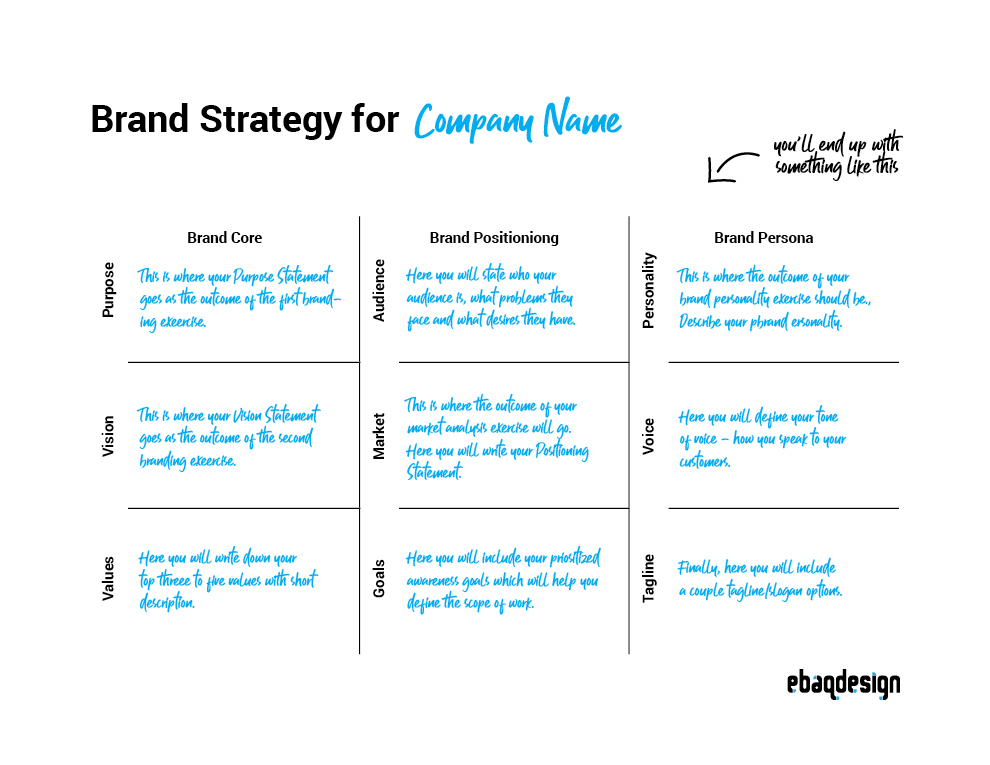
By the end of this process, you should have a clear and actionable understanding of what your brand stands for and how it differentiates itself from the competition.
Why is Brand Discovery Important?
Before diving into design or marketing strategies, it’s crucial to have a solid understanding of your brand's essence.
A thorough brand discovery process:
- Aligns Your Team: Ensures everyone in your organization understands and is aligned with the brand's core values and mission.
- Informs Your Strategy: Provides a foundation for all branding and marketing efforts.
- Differentiates Your Brand: Helps you identify what makes your brand unique in the marketplace.
- Builds Consistency: Ensures a consistent brand message across all platforms and interactions.
Steps to Conduct a Brand Discovery
1. Define Your Brand Purpose
Understanding your brand's purpose is about more than just knowing what you do; it’s about understanding why you do it.
By identifying a higher cause or belief, you can create a more compelling reason for customers to engage with your brand.
This deeper purpose can foster a strong connection with your audience and drive loyalty.
How to run the Brand Purpose exercise:
- WHAT: List all the products and services your brand offers.
- HOW: Describe the unique methods, values, and principles that make your brand stand out.
- WHY: Identify the deeper purpose behind your brand's existence beyond making a profit. This could be a cause or a belief that drives your brand.
Learn more about the Brand Purpose exercise.
Also see examples of Purpose Statements.
2. Craft Your Brand Vision
Crafting a clear and aspirational brand vision helps set a long-term direction for your brand.
This vision serves as a guiding star, providing motivation and a sense of purpose for your team.
It also communicates to stakeholders and customers where you aim to go and what you aspire to achieve.
How to run the Brand Vision exercise:
- Imagine the Future: Envision where you see your brand in the next 5-10 years.
- Aspirational Goals: Outline the long-term goals and aspirations for your brand.
- Impact: Consider the impact you want your brand to have on your industry, community, and the world.
Learn more about the Brand Vision exercise.
Also see examples of Vision Statements.
3. Identify Your Brand Values
Identifying and articulating your brand values is crucial for maintaining internal and external brand integrity.
These core values define the principles and standards that guide your brand’s behavior and decision-making processes.
Consistently living these values helps build trust and authenticity with your audience.
How to run the Brand Values exercise:
- List Values: Identify 3-5 core values that define your brand's culture and philosophy.
- Behavioral Traits: Describe the behaviors that exemplify each value.
- Communicate Values: Ensure these values are communicated consistently in all brand messaging and actions.
Learn more about the Brand Values exercise.
Also see examples of Core Values.
4. Understand Your Target Audience
Understanding your customers is fundamental to creating effective brand strategies.
By developing detailed audience personas, you can tailor your messaging and offerings to meet their specific needs and preferences.
This understanding ensures that your brand resonates with the right people and addresses their pain points or desires effectively.
How to run the Target Audience exercise:
- Demographics: Age, gender, location, income, education level.
- Psychographics: Interests, values, lifestyle, behavior.
- Pain Points and Needs: Identify the key challenges and needs of your audience that your brand can address.
- Customer Journey: Map out the typical customer journey from awareness to purchase and beyond.
Learn more about the Target Audience exercise.
5. Conduct Market Research
Conducting thorough market research provides insights into the competitive landscape.
By analyzing competitors and understanding their strengths and weaknesses, you can identify opportunities for differentiation.
A SWOT analysis helps you recognize areas where your brand can excel and address potential challenges proactively.
How to run the Market Research exercise:
- Identify Competitors: List your main competitors in the market.
- Analyze Their Positioning: Understand how they position themselves and what their strengths and weaknesses are.
- SWOT Analysis: Conduct a SWOT (Strengths, Weaknesses, Opportunities, Threats) analysis for your brand and your competitors.
Learn more about the Market Research exercise.
6. Establish Awareness Goals
Establishing clear awareness goals is essential for measuring the success of your branding efforts.
By setting specific and measurable targets, you can track progress and adjust strategies as needed.
In the branding process, it also allows to prioritize touch-points and therefore define the scope of work and deliverables.
How to run the Awareness Goals exercise:
- Current Awareness: Assess your brand's current level of awareness in the market.
- Goals: Set specific, measurable goals for increasing brand awareness.
- Strategies: Outline the strategies and tactics you will use to achieve these goals (e.g., social media campaigns, PR, content marketing).
Learn more about the Awareness Goals exercise.
7. Define Your Brand Personality
Defining your brand personality gives your brand a human-like quality, making it relatable and engaging for your audience.
By establishing consistent character, you create a cohesive and recognizable brand that resonates with your customers and builds emotional connections.
How to run the Brand Personality exercise:
- Describe Your Brand: Use adjectives to describe your brand as if it were a person (e.g., friendly, professional, innovative).
- Tone and Style: Determine the tone and style of your brand’s communication (e.g., casual, formal, humorous).
Learn more about the Brand Personality exercise.
8. Develop Your Brand Voice
Developing a consistent brand voice is crucial for conveying a unified brand message.
Clear voice guidelines help ensure that all brand communications reflect the same tone and style, regardless of the platform or medium.
This, together with personality, strengthens your brand identity and reinforces your messaging.
How to run the Brand Voice exercise:
- Consistency: Ensure your brand voice is consistent across all platforms and communications.
- Voice Guidelines: Create guidelines for how your brand should sound in different scenarios (e.g., social media posts, customer service interactions).
Learn more about the Brand Voice exercise.
9. Create Your Brand Tagline
Creating a compelling brand tagline is the final step in encapsulating your brand's essence in a few memorable words.
A well-crafted tagline succinctly communicates your brand's value proposition and differentiates you from competitors.
It should be catchy, meaningful, and resonate with your audience.
How to run the Brand Tagline exercise:
- Brainstorm Ideas: Come up with several tagline ideas that encapsulate your brand’s essence.
- Test and Refine: Test these taglines with your target audience and refine based on feedback.
- Finalize: Choose a tagline that is memorable, concise, and truly representative of your brand.
Learn more about the Brand Tagline exercise.
Conclusion
Conducting a thorough brand discovery is the cornerstone of building a strong, cohesive brand.
By understanding and defining your strategic elements, you lay the foundation for all future branding efforts.
Use this guide to prepare for your brand discovery session, or buy my worksheets that are available in a variety of file formats.
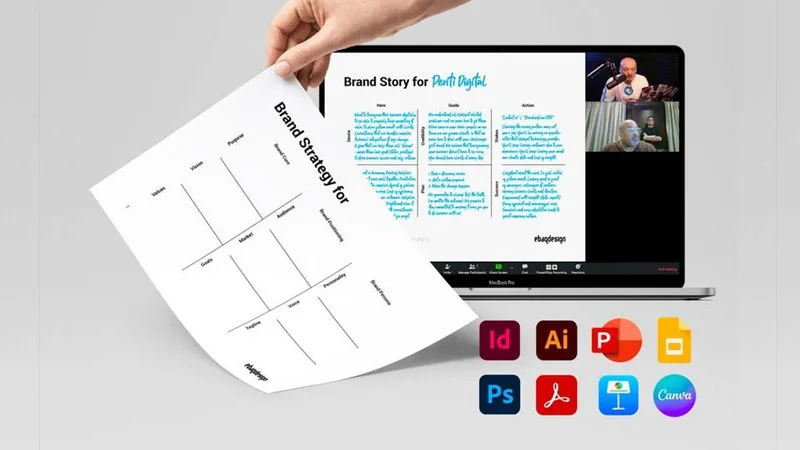
Check out my premium guide and start planning your discovery workshop today!
For further assistance or to take your branding to the next level, consider booking a consultation with me.
Need help with branding?
I specialize in strategy, logo, and web design.
Book a call to discuss your project today!
Ready to build a brand people remember?
Tell me what you’re launching, changing, or trying to make look better.