
Do I need branding before a seed round?
You need a clear name, one-line positioning, a professional logo and a deck and website that look like one company. A full brand system can wait until Series A, but a homemade look starts to cost you at seed.
Does branding help startups raise money?
Branding doesn't replace traction, a strong team or a big market. It makes sure investors see those things clearly. Investors spend under two minutes on a typical seed deck, so a clear, consistent brand helps them understand and remember you.
How much should a startup spend on branding before raising?
At pre-seed and seed, expect a few thousand dollars, not six figures. I design a startup's strategy, logo and core identity in one week for $3,000, or the brand, website and pitch deck in one month for $10,000.
How long does startup branding take?
Agencies often plan two to three months for a full brand. I work in one-week sprints, so a startup can have a new identity in a week and a brand, website and deck in about a month.
Should I rebrand after raising?
Many startups do, often around Series A, once the product and market are clear and more people are creating things in the brand. A good seed-stage brand should evolve, not be thrown away.
Investors judge your brand before they read your numbers.
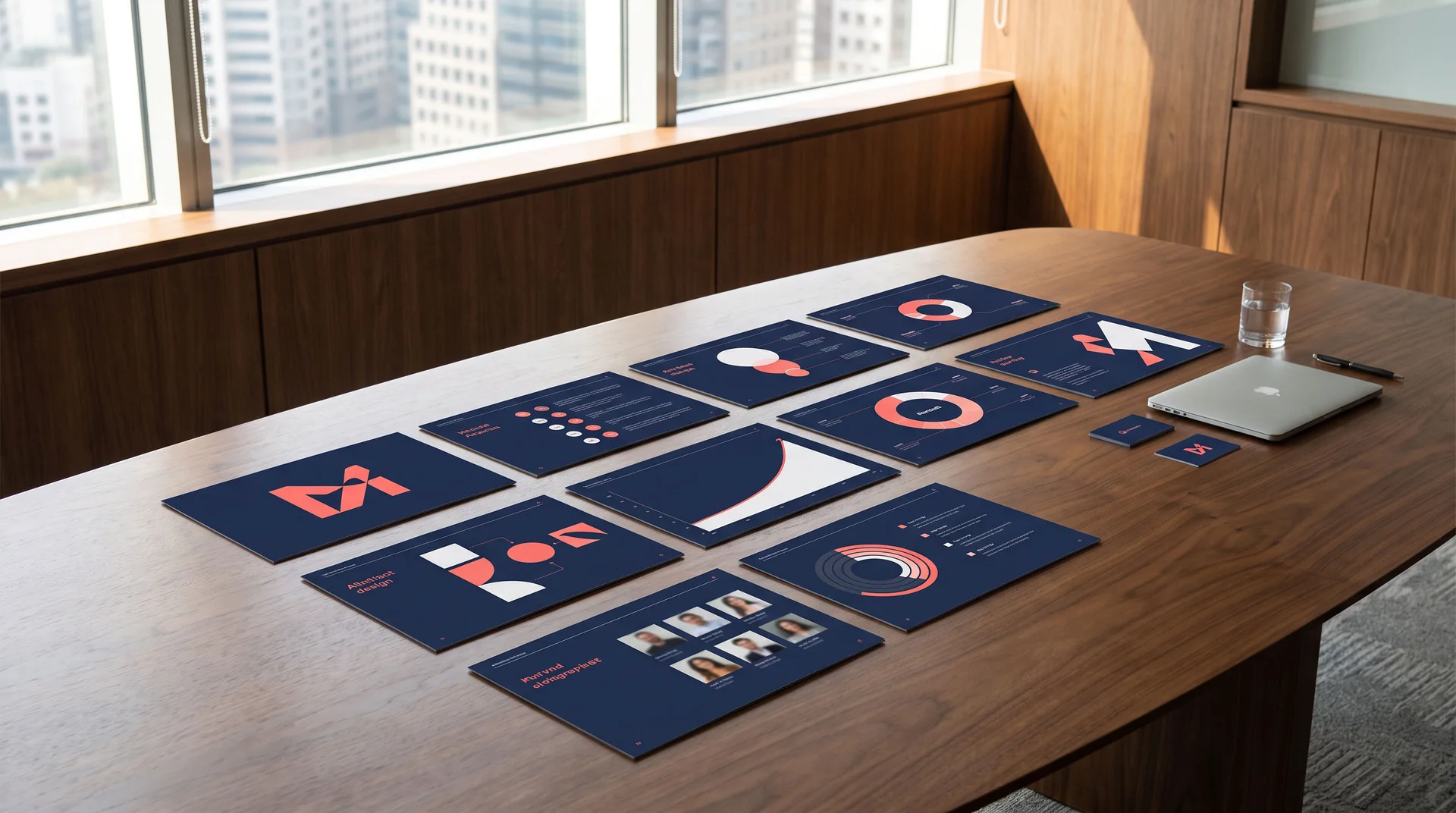
Your deck, your website and your LinkedIn page are the first things an investor sees, often before any meeting.
If they look like a side project, you are asking someone to bet millions on a company that doesn't look like a company yet.
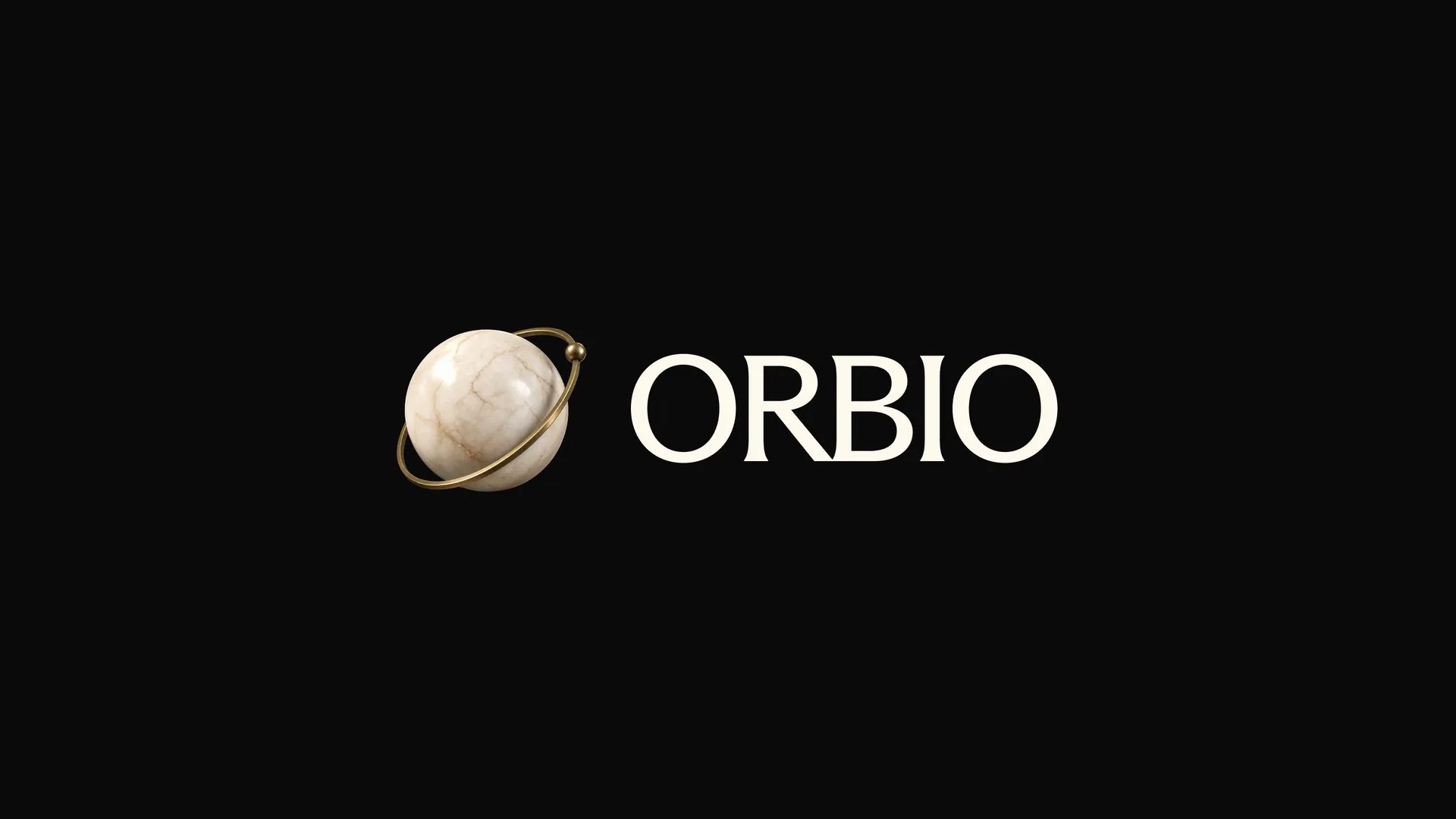
I'm a brand designer, and I work with startups at exactly this moment. Two of my recent clients, Orbio and NextDimension, have secured seed rounds of $1.2 million and $2.5 million.
Below is why branding matters before you raise, what you actually need at each stage and what it costs.
Investors decide in under two minutes
A pitch deck gets less attention than most founders think.
In 2015, DocSend found that investors spent 3 minutes and 44 seconds on an average seed deck.
By 2023, according to DocSend's fundraising research, average viewing time had dropped under two minutes for the first time.
In two minutes, nobody reads every number. They skim, and they form an impression: is this team serious, is the idea clear and does this look like a company that will win?
That impression is your brand.
Amy Hanlon, whose agency Blue Meta Design designs pitch decks for venture-backed startups, put it bluntly when she was a guest on my podcast: investors see hundreds of decks a week, so if yours isn't clear and consistent, they probably won't take the time to look through it.
What branding means for a startup
Branding is not a logo.
For a startup raising money, branding is everything that shapes an investor's gut feeling before they talk to you:
- Positioning: one clear sentence on what you do, for whom and why you're different.
- Name: easy to say, easy to spell and with a domain you own.
- Visual identity: a logo, colours and type that look intentional and work everywhere.
- Pitch deck: the story of the company, designed in the same brand.
- Website: the place investors go right after the deck to check that you're real.
The strategy comes first. A beautiful logo can't save a story nobody understands.
Five reasons to brand before you raise
1. You look like a company, not a project
A strong brand makes a five-person team look ready for a much bigger market.
Amy described it this way: strong branding "makes you seem bigger than what you even probably could be".
Investors aren't fooled by polish, but they are put off by the lack of it. A homemade logo signals that the founders cut corners, and investors wonder where else they cut them.
2. A clear story gets read
The questions investors want answered are always the same.
Who are you, what problem do you solve, how big is it, why are you the right team and how are you different from everyone else?
Brand strategy answers exactly those questions. When the positioning is sharp, the deck almost writes itself, and an investor skimming for two minutes still gets it.
3. Consistency removes doubt
Investors check you in more than one place.
They open the deck, then the website, then the founders' LinkedIn profiles. If the deck says one thing, the website another and the logo is different on each, it creates a small doubt.
Consistency is a signal of competence. It says the team pays attention to detail.
4. You stand out in a crowded market
Most startup categories are full of look-alikes. Scroll through AI startup logos and you will see the same purple gradients, the same sparkles and the same rounded sans serif type.
An investor who has seen 50 AI pitches this month needs a reason to remember yours. A distinctive brand is the easiest way to be the one they remember. For real examples, see my startup brand teardowns, from Ramp vs Brex to Linear vs Jira.
5. The same brand also wins customers
Branding for investors is not a separate cost. The brand that convinces an investor also convinces your first customers, hires and partners.
After we redesigned NextDimension's identity and website, the company reported a 30% increase in demo bookings, and it has since secured $2.5 million in seed funding.
Two seed rounds from my own clients
Here is what this looked like for two AI startups I worked with in 2026.
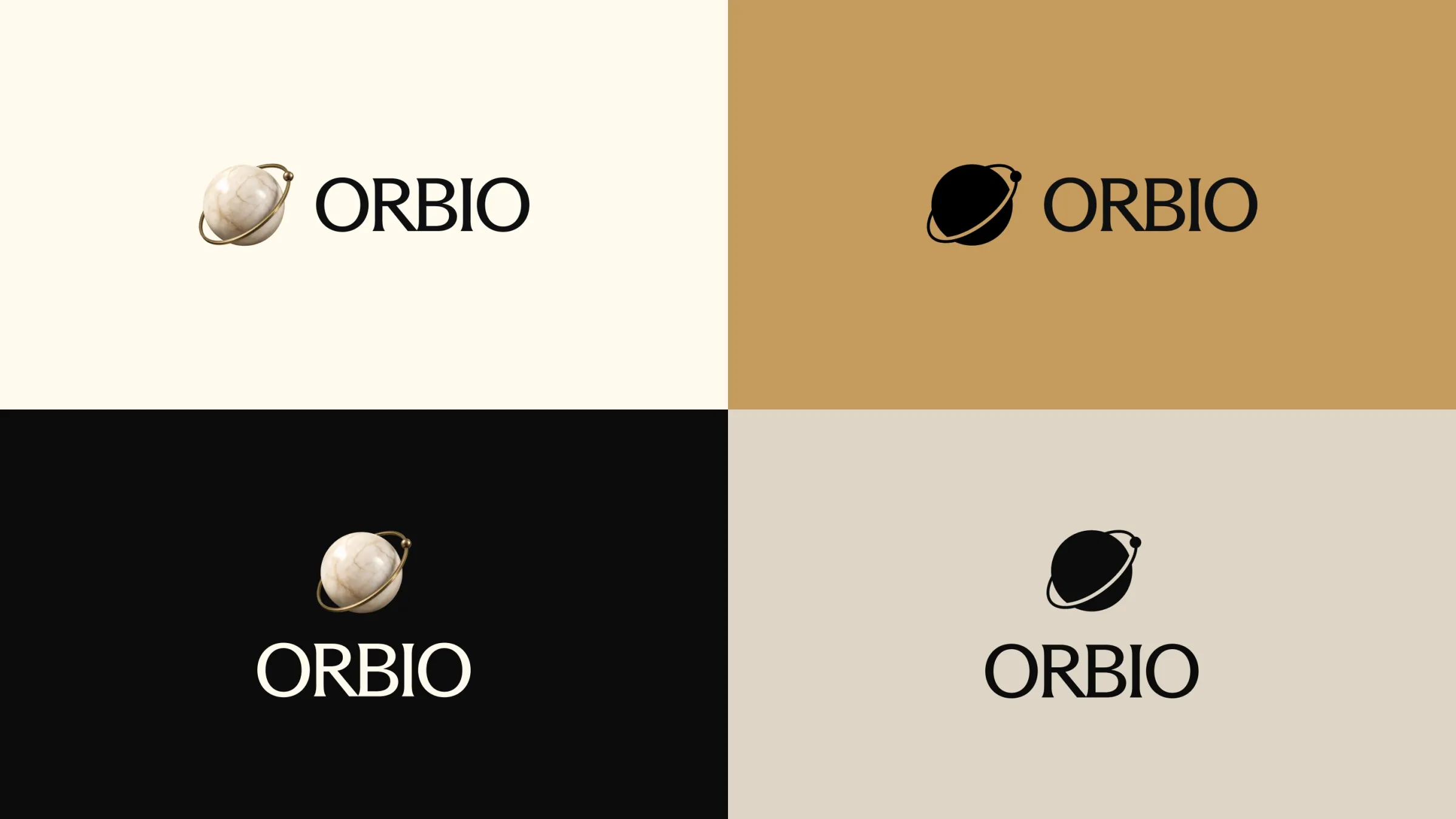
Orbio tokenizes AI inference, a hard idea to explain in a deck.
In a one-week brand sprint, we kept its 3D marble orb and built a full Greco-Roman identity around it, with one accent colour, three typefaces with one job each and a motion system for social media.
Orbio has secured $1.2 million in seed funding.
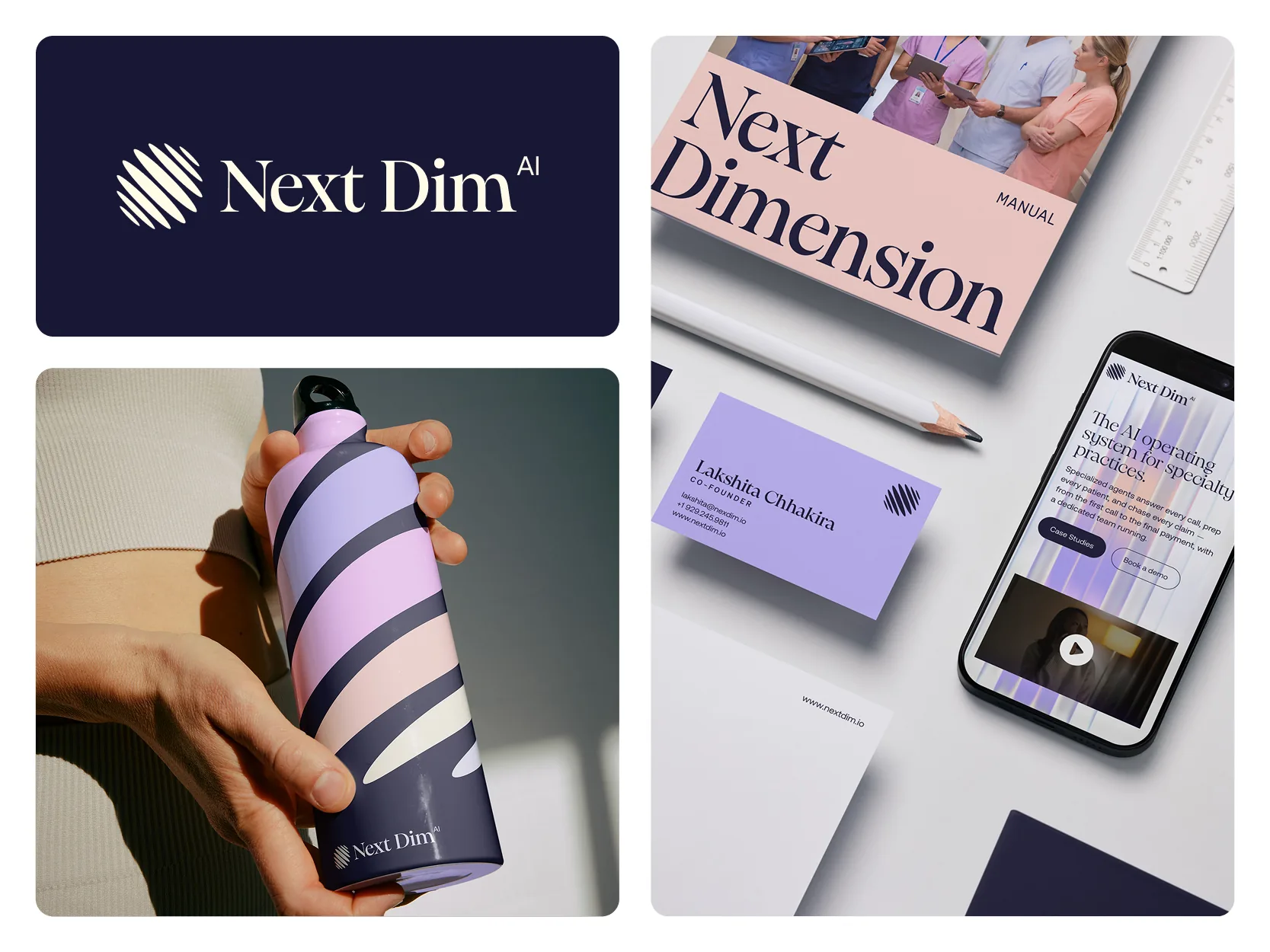
NextDimension helps medical practices automate their operations with AI agents.
Healthcare AI brands tend to look the same: white, blue and clinical. We gave it a subtle space theme, reeded glass visuals, motion and an interactive website.
The company reported 30% more demo bookings and has secured $2.5 million in seed funding.
To be clear, the founders raised the money, not the logo. A brand doesn't replace traction, a strong team or a big market. What it does is make sure investors see those things clearly in the two minutes they give you.
What you need before each round
You don't need a $100,000 brand system to raise a pre-seed round.
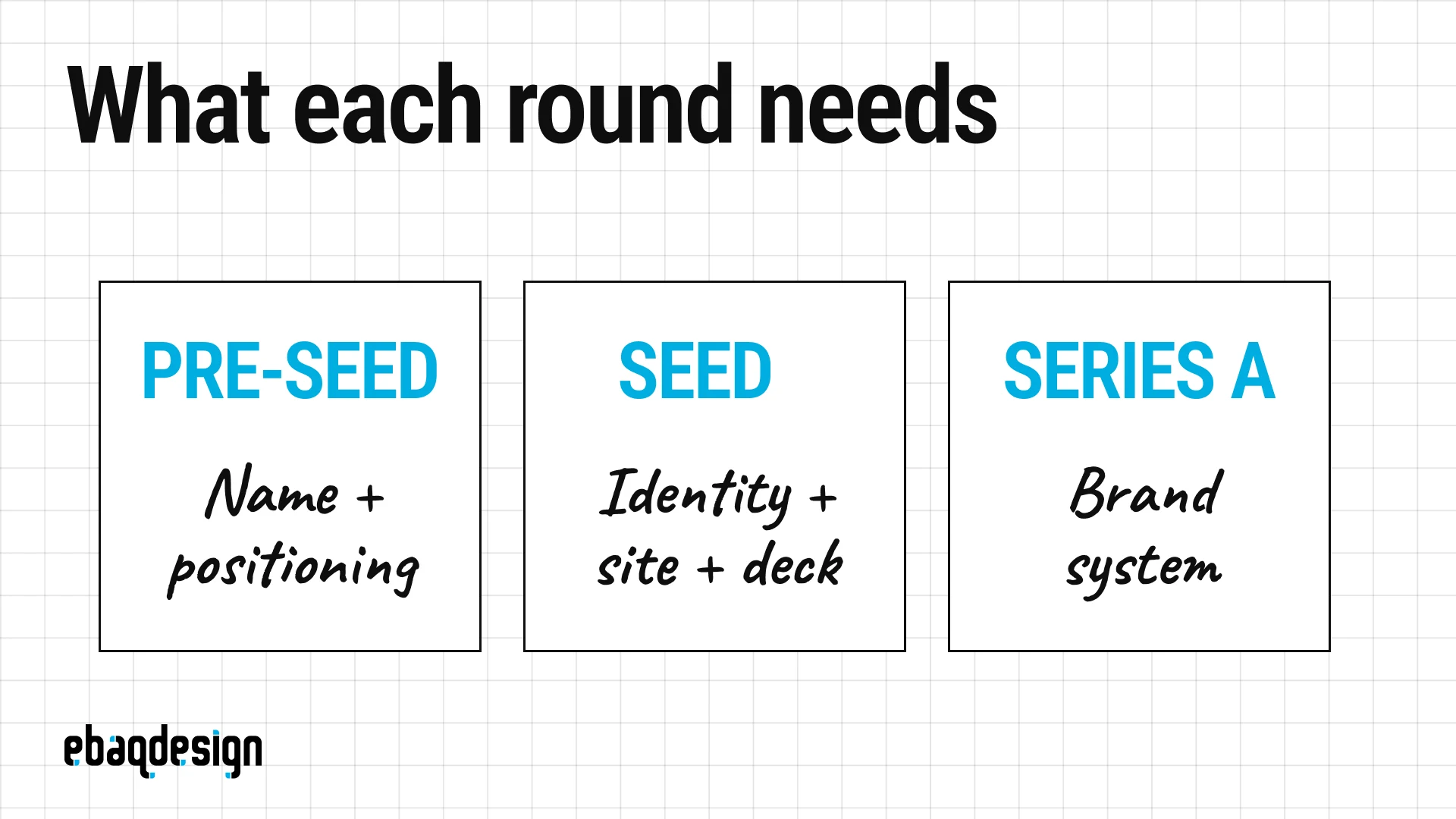
Pre-seed: a clear name, one-line positioning and a simple, clean logo. Investors are betting on the founders, so the deck should be clear rather than fancy.
Seed: a real visual identity, a website that explains the product and a designed pitch deck in the same brand. This is the round where a homemade look starts to cost you.
Series A: a full brand system with brand guidelines, because by now other people are making things in your brand: new hires, agencies and partners. Many startups rebrand here, once the product and market are clear.
A checklist before you send the deck
Run through these four checks before the first investor email.
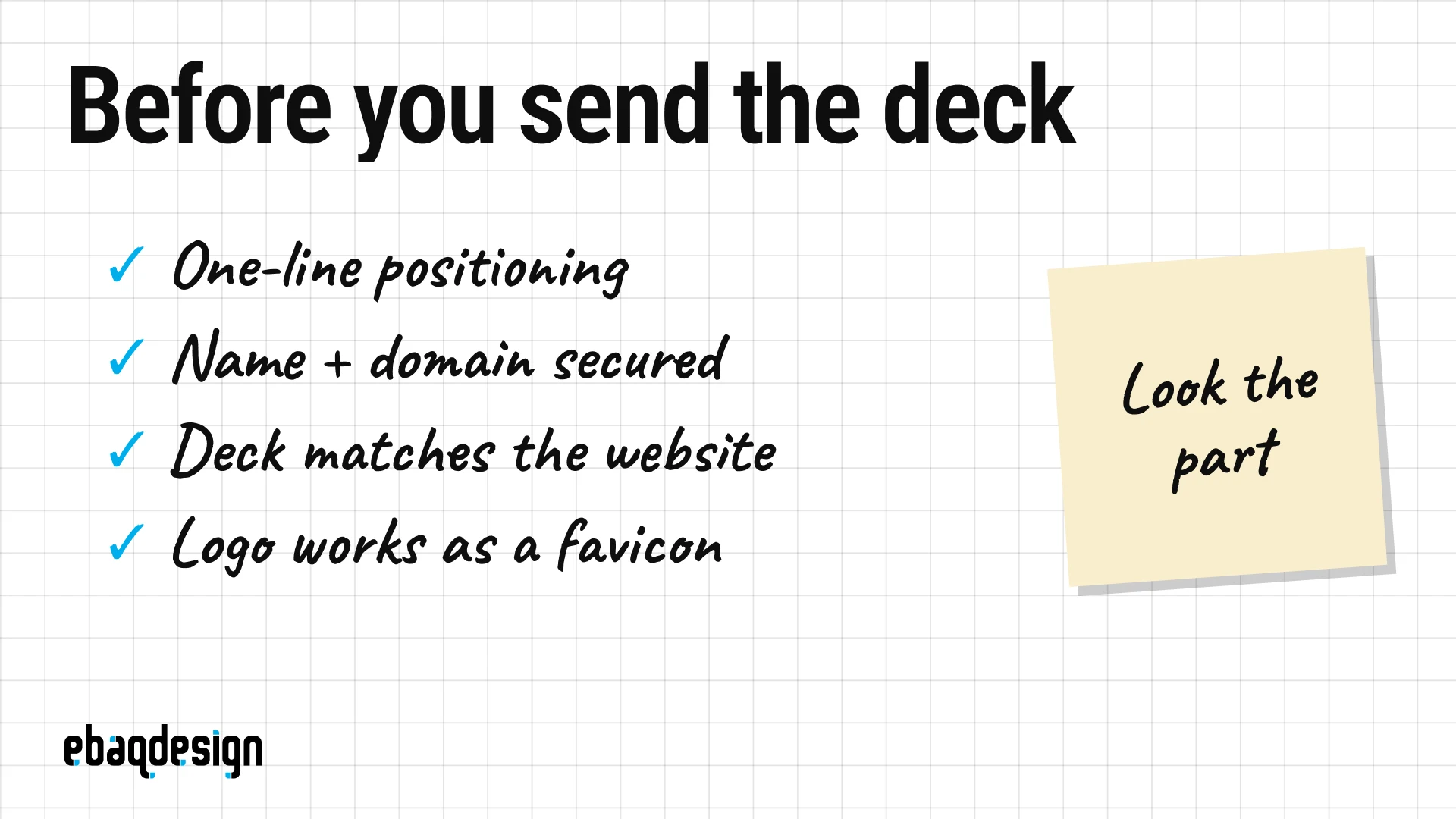
- One-line positioning: can you say what you do, for whom and why you're different in one sentence?
- Name and domain secured: is the name easy to say, and do you own the domain and social handles?
- Deck matches the website: same logo, colours, type and message in both places?
- Logo works as a favicon: does it still read at 16 pixels, in a browser tab and on a LinkedIn avatar?
What it costs and how long it takes
Agencies often plan two to three months for a full startup brand and three to four weeks for a pitch deck alone; Amy's agency quoted exactly those timelines on my podcast. That can push your raise back by a quarter.
I work in fixed-price weeks instead. A one-week brand sprint gives you the strategy, logo and core identity for $3,000. If you're raising soon and need the full package, a month of design costs $10,000, with a fixed scope that can cover the brand, website and pitch deck.
For a full breakdown, see how much a complete brand identity costs.
When you shouldn't spend on branding yet
Branding is not always the priority.
If you don't yet know who your customer is, a brand will only make a confused story look nicer. Talk to customers first.
If you're raising a small friends-and-family round from people who already know you, a clean, simple deck is enough.
And if anyone quotes you six figures for a pre-seed startup, walk away. You need a clear, professional brand, not a Fortune 500 brand book.
Ready to raise?
Investors give your deck about two minutes. A clear story, a consistent brand and a website that backs it up make sure those minutes count.
I help startup founders get their brand, website and pitch deck ready before a raise. See my AI startup branding and SaaS branding work, look through my past work or book a call to talk about your round.
Cover photo: TechCrunch Disrupt Berlin 2017 by TechCrunch, CC BY 2.0, via Wikimedia Commons, cropped.
Ready to build a brand people remember?
Tell me what you’re launching, changing, or trying to make look better.