
Logo Design
Beginner's Guide to Wordmark Logo Design in 2026
Published on Jan 27, 2026

Table of Contents
Introduction
This article provides a quick but practical guide to wordmark logo design, based on my tutorial on YouTube.
We'll explore what wordmarks are, when to use them, and how to create effective wordmark logos for various brands.
Whether you're a seasoned designer or a business owner looking to understand the nuances of logo design, this article is for you.
What is a Wordmark?
A wordmark, also known as a logotype, is a distinct text-only typographic treatment of a company or product name.
It's a form of logo that relies solely on typography to convey a brand's identity and values. Unlike logos that incorporate symbols or complex graphics, wordmarks leverage the power of letterforms and typography to create a memorable and impactful brand representation.
When to Use a Wordmark
Wordmarks are particularly effective in certain scenarios.
Here are the key situations where a wordmark might be the ideal choice for your brand:
1. Short Brand Names
Wordmarks excel when used for brands with concise, punchy names.
Examples like "Gap," "Sony," or "Visa" demonstrate how short names can become powerful brand assets when treated as wordmarks.
2. Brand Name Recognition
For new or rebranding companies, wordmarks put the focus squarely on the name, helping to establish and reinforce brand recognition in the market.
3. Timeless Appeal
Well-designed wordmarks can stand the test of time and become iconic.
The Coca-Cola logo, virtually unchanged for over a century, is a prime example of a wordmark's potential for longevity.
4. Versatility Across Industries
From apparel to technology, automotive to restaurants, beverages to industrial sectors, wordmarks prove their adaptability across various industries.

This versatility makes them a popular choice for businesses of all types.
5. Strong Typographic Customization
Wordmarks allow for extensive typographic experimentation and customization, enabling brands to express their unique personality through letterforms alone.
When deciding between a symbol-based logo and a wordmark, consider these factors.
While symbols can be powerful, a well-crafted wordmark ensures that your brand name is front and center, leaving a lasting impression on your audience.
How to Create a Wordmark
Creating an effective wordmark involves several key techniques.
Let's explore each of these in detail:
1. Unique Font Selection
The foundation of any great wordmark is its typeface.
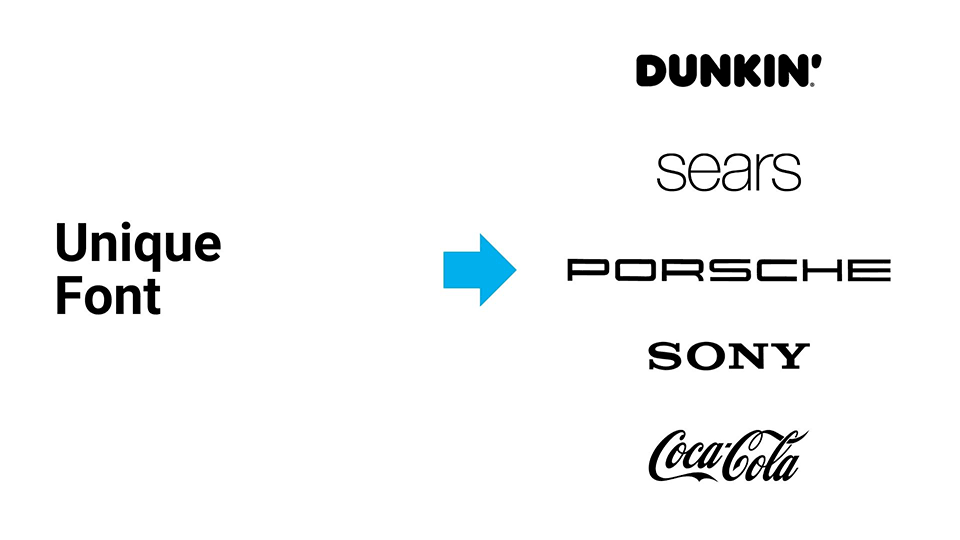
Choosing the right font is crucial as it sets the tone for your entire brand identity.
Consider the following when selecting a font for your wordmark:
- Brand Personality: Does the font reflect your brand's character? Is it formal, casual, playful, or serious?
- Legibility: Ensure the font is easily readable at various sizes and in different contexts.
- Uniqueness: Look for fonts that stand out while still being appropriate for your industry.
- Customization Potential: Consider fonts that allow for easy modification to create a truly unique wordmark.
Creating Ligatures
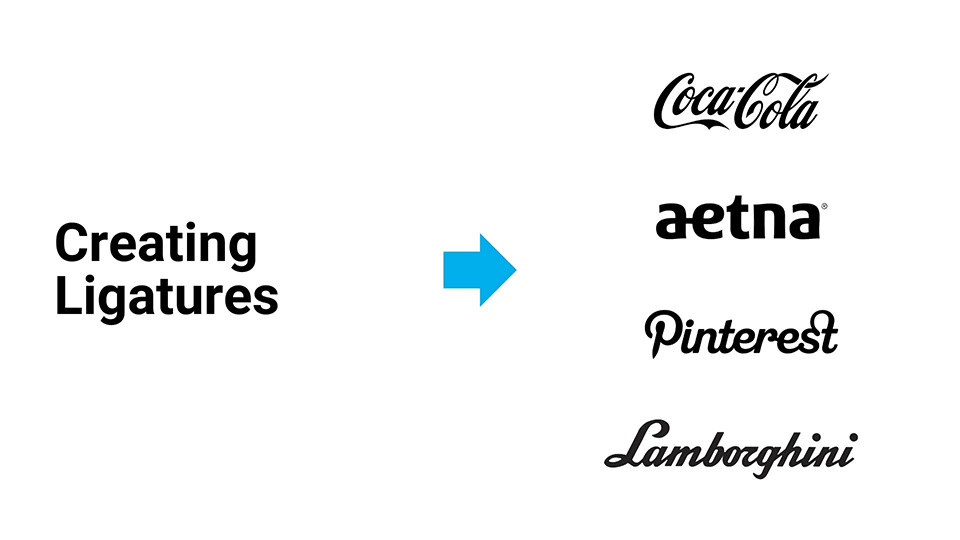
Ligatures, the combination of two or more letterforms into a single character, can add a unique flair to your wordmark:
- Natural Ligatures: Some fonts, especially scripts, come with built-in ligatures that create a flowing, cohesive look.
- Custom Ligatures: Design special connections between letters to create a more unified and distinctive appearance.
- Meaningful Connections: Use ligatures to emphasize certain parts of the name or create subtle visual metaphors.
Stylizing Letterforms
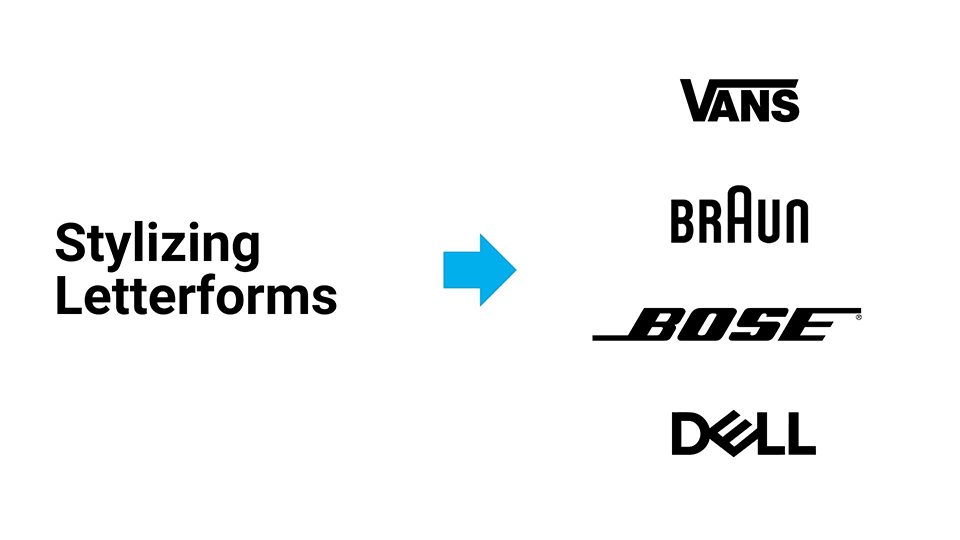
Customizing individual letters within your wordmark can create a memorable and unique design:
- Size Variation: Make certain letters larger or smaller for emphasis.
- Shape Alteration: Modify the shape of specific letters to add character.
- Consistent Style: Ensure that any stylization fits with the overall design and doesn't compromise legibility.
Incorporating Illustrative Elements
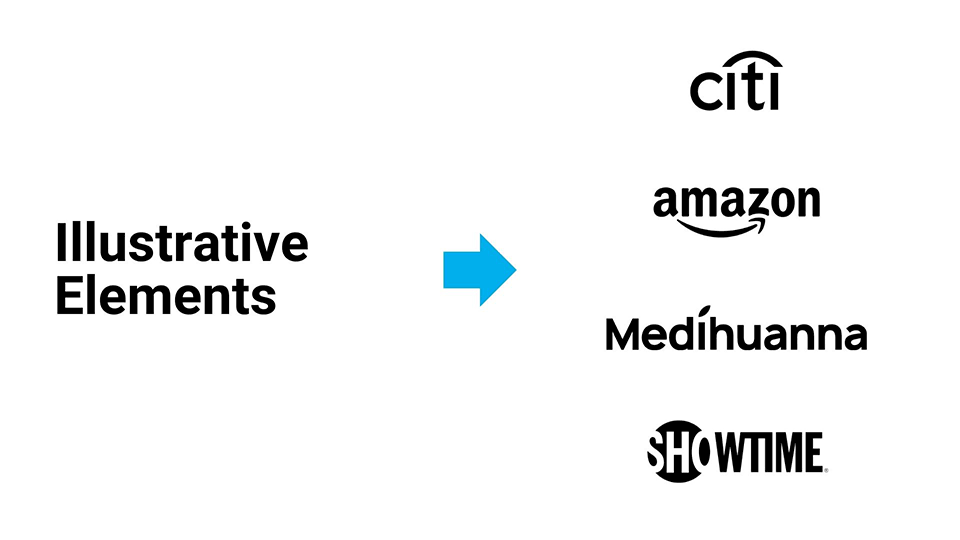
Adding small graphic elements can enhance the meaning and memorability of your wordmark:
- Relevant Symbols: Incorporate tiny icons or shapes that relate to your brand or industry.
- Letter Replacement: Replace a letter with a relevant symbol or illustration.
- Subtle Additions: Add small details to letters that hint at your brand's nature.
Experimenting with Letter Spacing
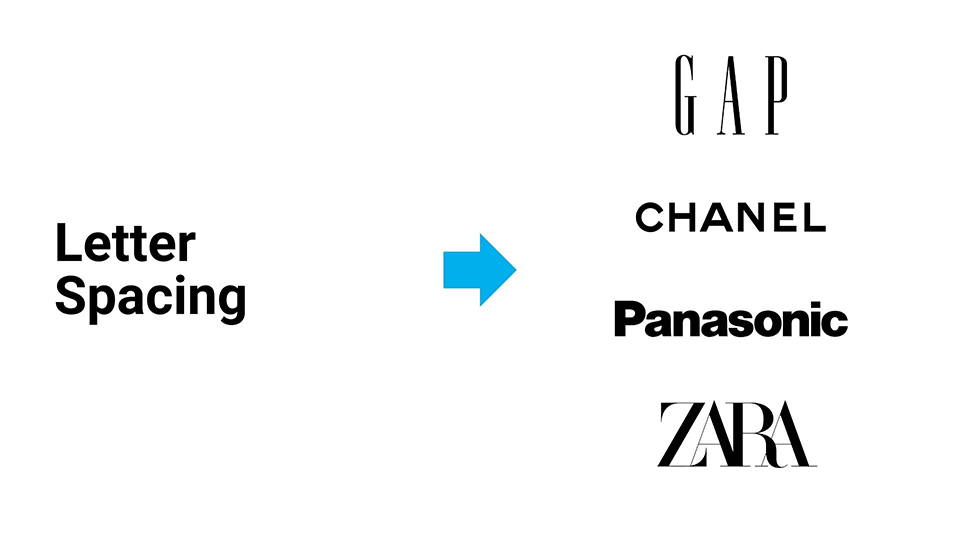
Manipulating the space between letters (kerning) can dramatically alter your wordmark's impact:
- Tight Kerning: Creates a more compact, unified look.
- Loose Kerning: Can give a more relaxed, open feel.
- Variable Spacing: Varying the space between different letters can create interesting visual rhythms.
Using Color Effectively
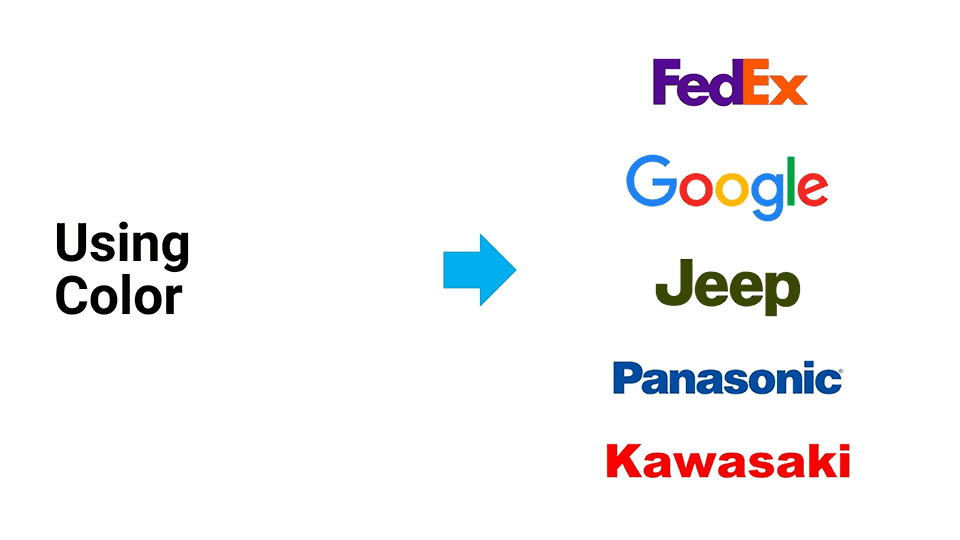
Color plays a crucial role in differentiating wordmarks and conveying brand personality:
- Brand Colors: Choose colors that align with your overall brand identity.
- Color Psychology: Consider the emotional and cultural associations of different colors.
- Contrast: Ensure your color choices provide enough contrast for legibility.
- Flexibility: Design your wordmark to work in both color and monochrome versions.
Conclusion
Knowing when and how to use wordmarks in logo design is an essential skill for any designer.
As you embark on your wordmark design journey, don't be afraid to experiment with different techniques.
Combine unique fonts, creative ligatures, stylized letterforms, illustrative elements, varied spacing, and thoughtful color choices to create wordmarks that are original.
I hope my tutorial inspires you in your process.
Need help with branding?
Check out my portfolio and schedule a call to discuss your project.
Ready to build a brand people remember?
Tell me what you’re launching, changing, or trying to make look better.